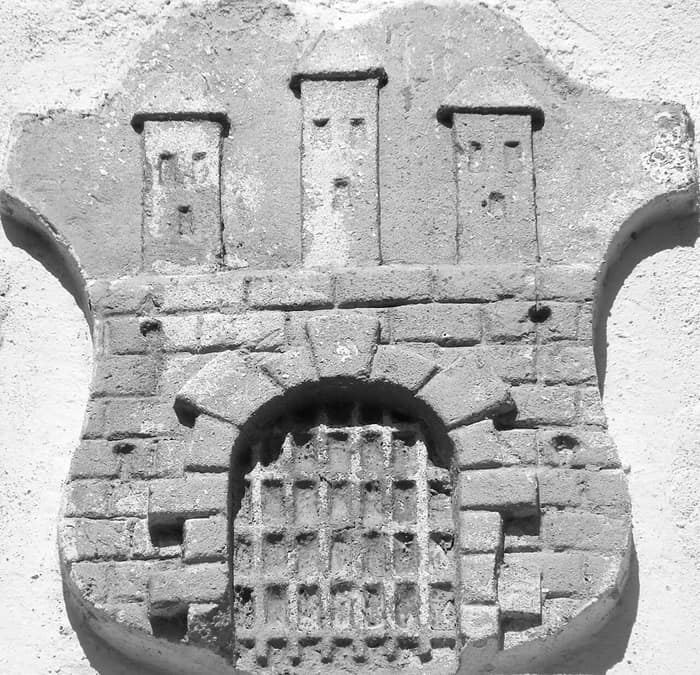
Chapel of Saint Rozália: a Baroque thanksgiving chapel in Lamač
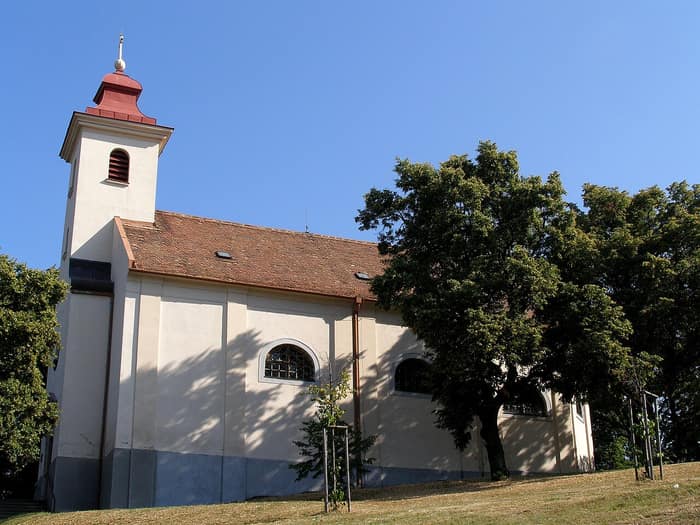
The Chapel of Saint Rozália (Kaplnka svätej Rozálie) is an early Baroque chapel in Lamač, a borough in the north-west of Bratislava. It was built in 1680–1682 as a thanksgiving for the end of the plague of 1678–1679 and is dedicated to Saint Rozália, the patron saint against plague. A small national cultural monument, it is a quiet stop among the hidden gems of Bratislava.
When the plague that killed some 12,000 people ended in 1679, ordinary Bratislava citizens paid for a chapel out of their own donations, and each year on 4 September people still gather there.
The history of the Chapel of Saint Rozália
In 1678 and 1679 a plague epidemic swept through Bratislava, and around 12,000 inhabitants died. When the outbreak finally ended, the city decided to give thanks in stone. Between 1680 and 1682 the city of Bratislava had a chapel built in Lamač, a vineyard village on the edge of the town that remained independent until 1946, when it became part of the capital. The building was paid for by a public collection among the citizens, a common act of gratitude in the age of recurring epidemics.
The chapel was dedicated to Saint Rozália, the saint invoked as protector against the plague. According to the sources, she was born into a wealthy family but left her family home as an adult and lived as a hermit. She died on 4 September 1160. In tradition she stands as an ideal of self-control, and she is often shown sleeping in a cave surrounded by blooming roses. The chapel itself was built in an early Baroque style and has never been substantially rebuilt.
Over the centuries it needed only the small repairs that every building requires. The first recorded repair took place in 1782, and in 1904 the roof was replaced. In the early 20th century lightning struck the chapel, damaging the cross and the interior, and the main cross had to be replaced. Further repairs were carried out in the 20th century.
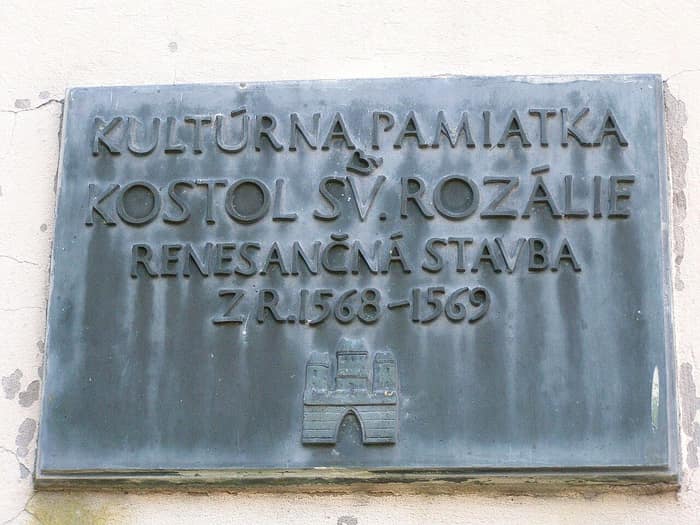
For a long time the feast day of Saint Rozália, 4 September, was marked by pilgrimages to the chapel. The custom lapsed during the Second World War. Today the day is observed with local festivities, known in Slovak as hody, and a festive Mass in the chapel. Protected as a national cultural monument since 23 October 1963 for its historical value and as evidence of the old townscape of Lamač, the chapel belongs to the city of Bratislava. In 2017 the Roman Catholic Church began talks with the city about buying and restoring it, and the borough council of Lamač asked its mayor to negotiate a transfer to the borough should those talks fail.
Curiosities about the Chapel of Saint Rozália
- The chapel was paid for by public donations from the citizens of Bratislava, who raised the money after the plague of 1678–1679, which is said to have killed around 12,000 people.
- Saint Rozália is usually shown as a sleeping woman in a cave among roses, a picture that belongs to her tradition as a hermit.
- The chapel has never been substantially rebuilt: over the centuries only ordinary repairs have been made.
- Lightning once struck the chapel in the early 20th century, damaging its cross, which had to be replaced.
- The pilgrimage tradition to the chapel on 4 September lapsed during the Second World War, but the day is still celebrated with a Mass and local festivities.
- Lamač, the borough where it stands, is the smallest in Bratislava and was an independent village until 1946.
Tours near Chapel of Saint Rozália
Experiences in the area that you can book online with Viator:


Visiting the Chapel of Saint Rozália
- The chapel stands on Rozálska street in Lamač and is best appreciated from outside as a compact example of early Baroque architecture.
- The sources do not say whether the interior is regularly open, so check locally before you plan a visit.
- The best time to feel the tradition is around 4 September, the feast day of Saint Rozália, when local festivities and a festive Mass take place.
- Other places on this site nearby include the Červený most railway bridge and the Kamzík TV Tower (both about 2–3 km), the Clarissine Church and Devín Castle (about 6 km).
Opening hours, access and conditions can change. Check before you go.
Map: where Chapel of Saint Rozália is
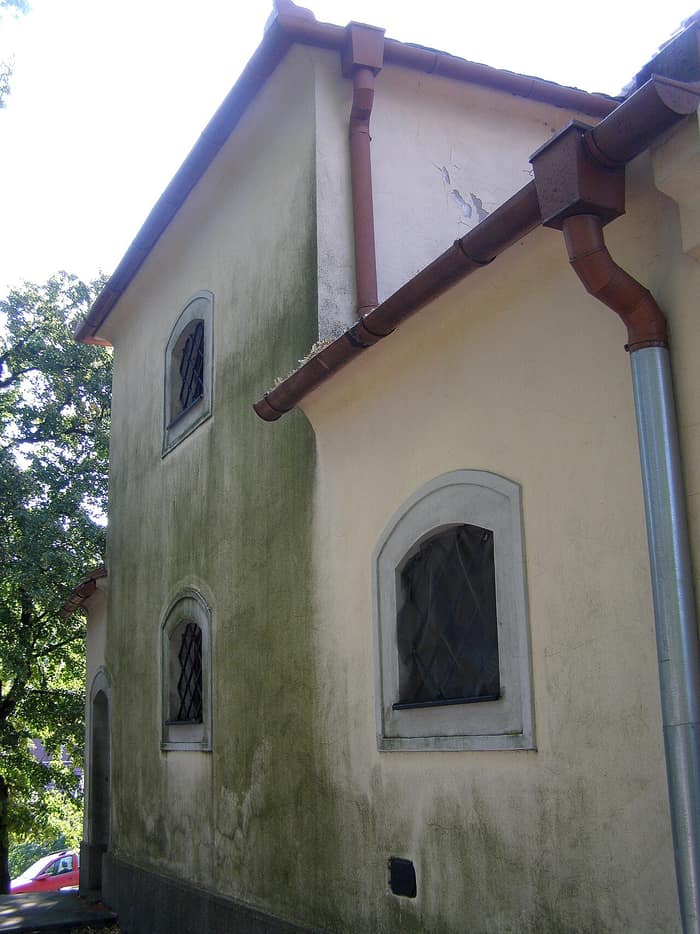
Photos of Chapel of Saint Rozália

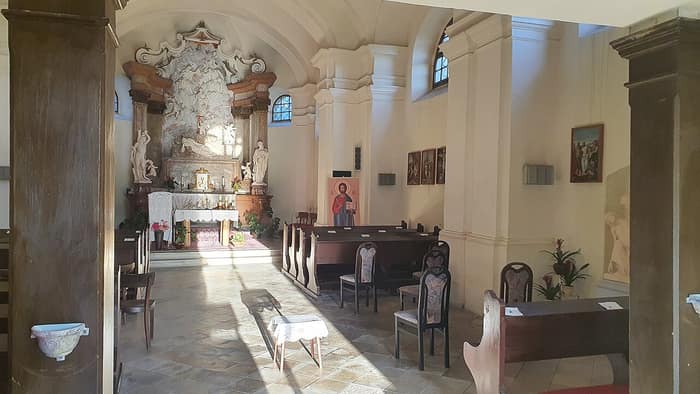
Questions
Where is the Chapel of Saint Rozália and how do you get there?
The chapel stands on Rozálska street in Lamač, a borough in the north-west of Bratislava. It lies a few kilometres from the Červený most railway bridge.
Why was the Chapel of Saint Rozália built?
It was built in 1680–1682 in thanks for the end of the plague epidemic of 1678–1679. The citizens of Bratislava paid for it with public donations.
Who was Saint Rozália?
She is the saint invoked against the plague, said to have left a wealthy family to live as a hermit and to have died on 4 September 1160. She is often shown sleeping in a cave among roses.
What style is the chapel?
It is an early Baroque chapel, built at the end of the 17th century. It has never been substantially rebuilt.
Is the Chapel of Saint Rozália a protected monument?
Yes. It has been a national cultural monument since 23 October 1963.
What happens at the chapel on 4 September?
On the feast day of Saint Rozália there are local festivities and a festive Mass at the chapel. The older tradition of pilgrimages lapsed during the Second World War.
Also nearby
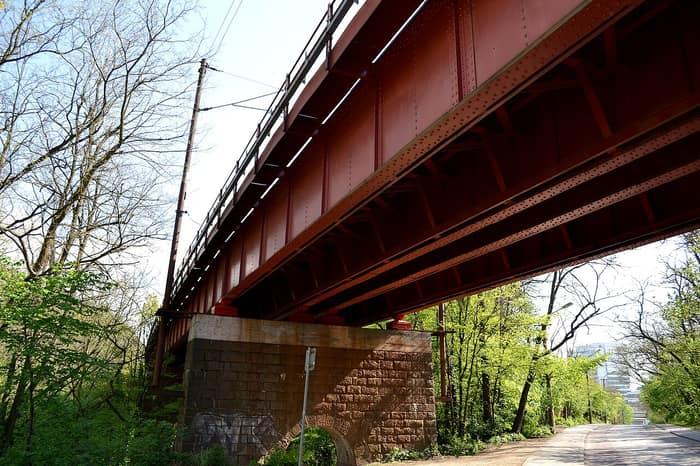
Červený most
Bratislava · red steel bridge on the oldest steam railway
2.5 km away
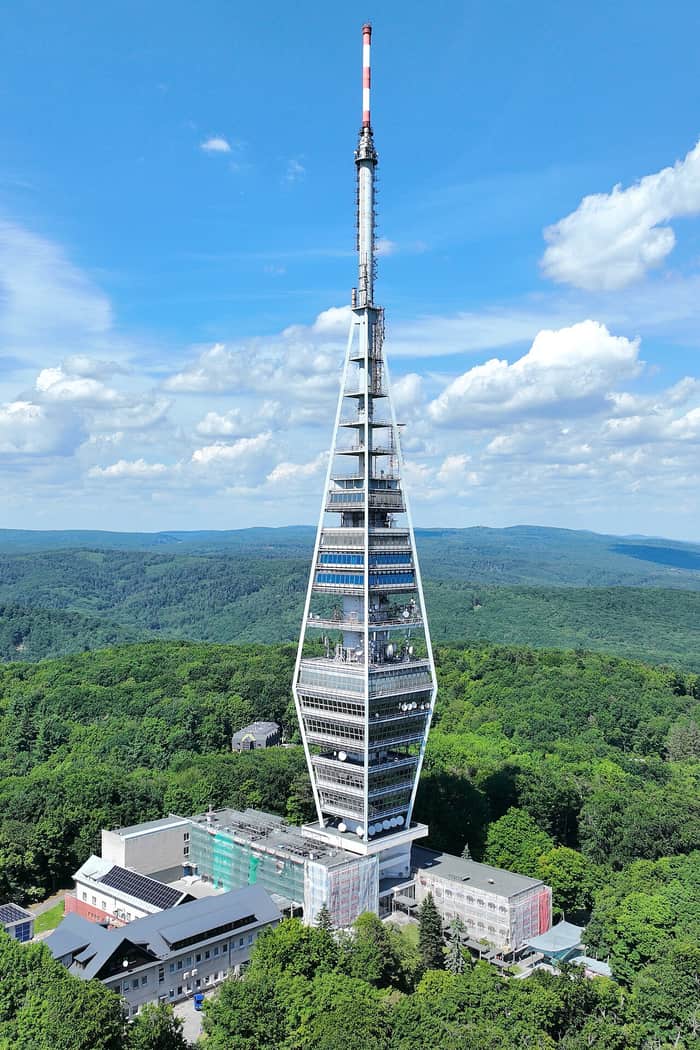
Kamzík TV Tower
Bratislava · Slovakia's tallest tower, a 1975 steel and concrete icon
3.5 km away
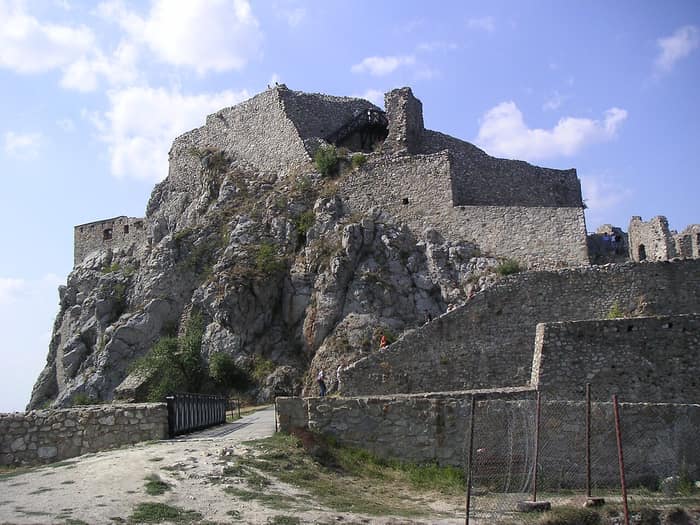
Devín Castle
Bratislava-Devín · castle rock where the Danube meets the Morava
5.5 km away

Summer Archbishop's Palace
Bratislava · archbishops' summer seat that now houses the government
6 km away