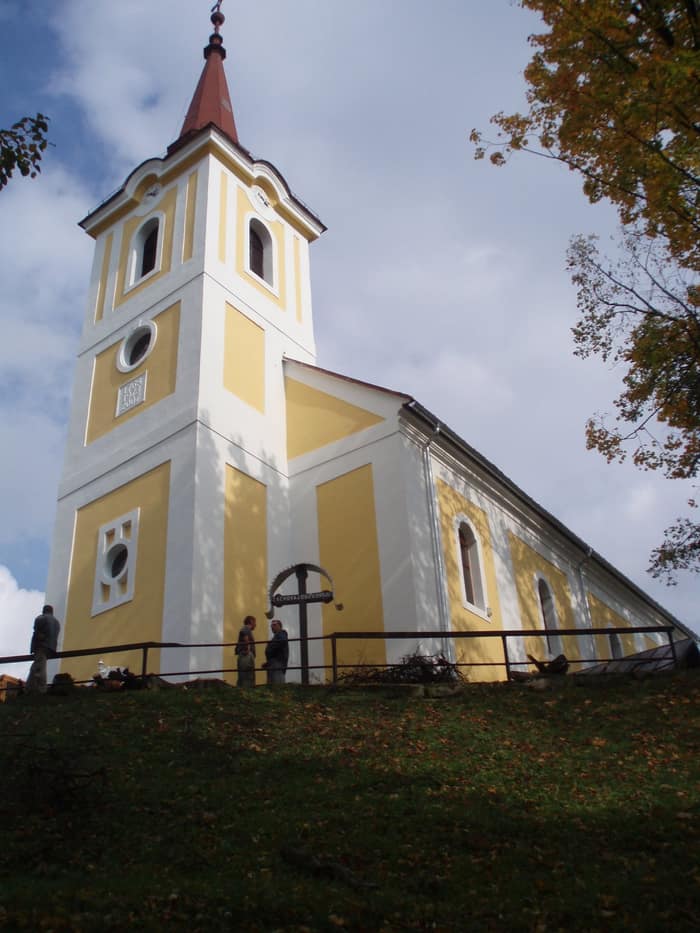
Church of Our Lady of Sorrows in Pohorelá: the village church of the Hron valley
The Church of Our Lady of Sorrows (Kostol Sedembolestnej Panny Márie) stands in Pohorelá, a village on the upper Hron in central Slovakia, in the foothills of the Low Tatras. The church dates from 1768 and replaced an earlier wooden church; it is a quiet stop for travellers on the Horehronie road and a window into the village's Koháry and Coburg past.
In an old ironworking village at the foot of the Low Tatras, the church keeps a carved bench of Ferdinand Coburg and an organ he is said to have donated around 1910, traces of the family that once ran the local ironworks.
The history of the church of Our Lady of Sorrows in Pohorelá
Pohorelá was founded at the beginning of the 17th century under Vlach law on the estate of Muráň Castle, and it is first mentioned in 1612. Its first inhabitants were shepherds and woodcutters. For a long time the village had no church, only a cemetery with a small wooden chapel, and it belonged to the parish of Sumiac, about 8 km to the east. Records from 1643 and 1653 show that the villagers were Catholic and kept petitioning for a parish of their own.
A wooden church was built around 1660 by local craftsmen under the direction of Count Ferenc Wesselényi, the palatine who lived at nearby Muráň Castle, and it was dedicated to St Stephen of Hungary. When the villagers tried in 1669 to join the parish of Polomka, some 15 km to the west, the question of an independent parish had to be settled. With contributions from the neighbouring village of Helpa, a separate parish was declared on 26 January 1669, the first priest was appointed and the first parish registers were begun. A modest wooden school stood beside the rectory, and records from 1697 show a single schoolmaster who was both director and teacher.
Around 1742 fire destroyed the wooden church together with the parish registers. A new masonry church was begun soon afterwards on the same site and finished in the summer of 1768. It was built with an endowment from Count Štefan II Koháry (1649 to 1731), who also lived at Muráň Castle, and the Slovak Wikipedia adds that the building was started by Ignác II Koháry (1726 to 1777). Slovak sources describe it as a Baroque single-nave church with a flat ceiling and a tower on the west side.
In the 18th century iron-ore mines and an ironworks were opened near the village, and around 1830 the works passed to the Saxe-Coburg and Gotha family, who moved their administration to Pohorelá. In 1833 the first sheet-rolling mill in the Kingdom of Hungary was built here. A great fire in 1883 destroyed almost the whole village and damaged the church, which was repaired in 1906. In 1907 the village was renamed Koháryháza in Hungarian after its former owners.
Around 1910 Ferdinand of Saxe-Coburg donated a Rieger organ to the choir. The church was first dedicated to St Stephen of Hungary, but in 1964 it was consecrated again and its patron saint changed to Our Lady of Sorrows, the patron saint of Slovakia. It remains the parish church of Pohorelá.
Curiosities about the church of Our Lady of Sorrows
- The church was dedicated to St Stephen of Hungary until 1964, when it was consecrated again to Our Lady of Sorrows, the patron saint of Slovakia.
- The presbytery holds an artistically carved neo-Gothic bench of Ferdinand Coburg with seven fields for seven people, with the Coburg coat of arms above the middle one.
- The organ in the choir is a two-manual instrument by the Austrian firm Gebrüder Rieger, donated around 1910 by Ferdinand of Saxe-Coburg.
- The Hungarian name of the village changed twice: it was called Garamkohó for a time and in 1907 became Koháryháza, after the Koháry family.
- The first sheet-rolling mill in the Kingdom of Hungary was built in Pohorelá in 1833, at the ironworks that later belonged to the Coburgs.
- According to the English Wikipedia, the village hosts the World Scything Championship every summer.
Tours near Church of Our Lady of Sorrows, Pohorelá
Experiences in the area that you can book online with Viator:


Visiting the church of Our Lady of Sorrows in Pohorelá
- The church is a dominant feature of the village, which lies at 724 m on the right bank of the Hron, on the edge of the Low Tatras and facing the Muránska planina National Park across the river.
- Inside, look for the painting of St Stephen from 1855 by Vojtech Klimkovics, the neo-Gothic Coburg bench and the altar from the early 20th century with statues of St Elizabeth of Hungary and St Emeric. Check the current opening hours before you go.
- In the part of the village called Pohorelská Maša stands a classicist manor house of the Coburg ironworks from 1834 to 1835, now much altered by later rebuilding.
- Muráň Castle, the seat of the Wesselényi and Koháry families who shaped the village, lies about 12 km away, and on this site the churches of Levoča are about 45 km away.
Opening hours, access and conditions can change. Check before you go.
Map: where Church of Our Lady of Sorrows, Pohorelá is
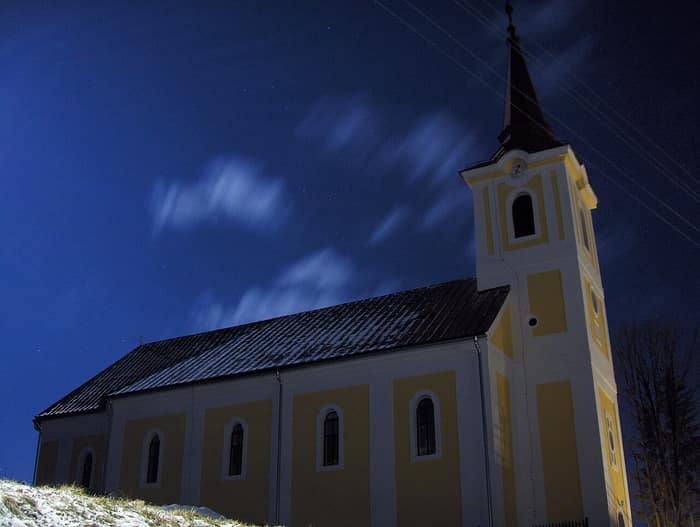
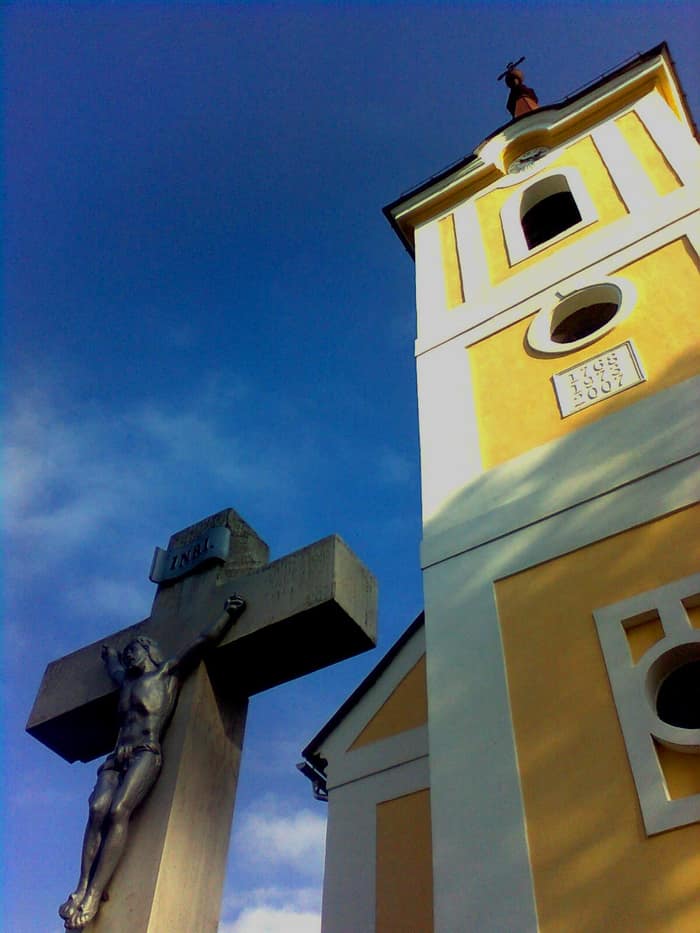
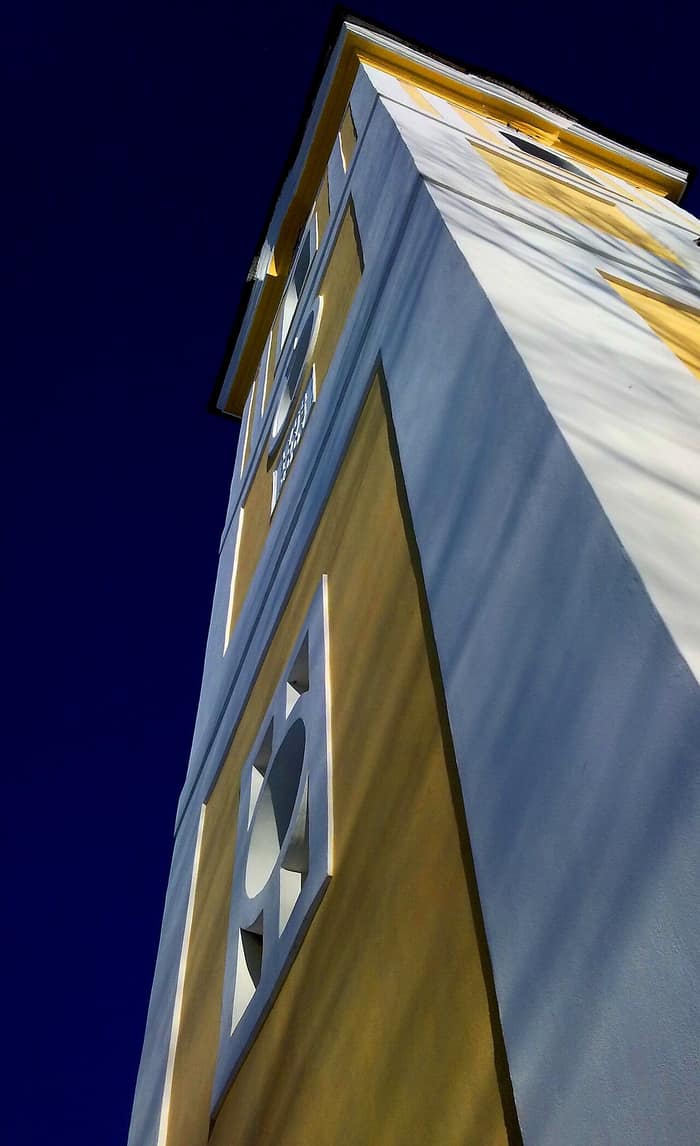
Photos of Church of Our Lady of Sorrows, Pohorelá
Questions
Where is the church of Our Lady of Sorrows in Pohorelá?
It stands in the village of Pohorelá in the Brezno District of the Banská Bystrica Region, on the upper Hron at the foot of the Low Tatras. The village lies about 33 km east of Brezno.
When was the church built?
The present church was completed in 1768, after an earlier wooden church burned down around 1742. It stands on the site of the wooden one.
Who paid for the church?
It was built with an endowment from Count Štefan II Koháry, who lived at Muráň Castle. The earlier wooden church of about 1660 was built under Count Ferenc Wesselényi.
Why does a Coburg bench stand in the church?
The Saxe-Coburg and Gotha family owned the ironworks of Pohorelá from around 1830. The church has a carved neo-Gothic bench of Ferdinand Coburg and an organ he donated around 1910.
What happened to the village in 1883?
A great fire destroyed nearly the whole village in 1883 and damaged the church, which was repaired in 1906.
Who is the church dedicated to?
It was first dedicated to St Stephen of Hungary, and since 1964 it has been dedicated to Our Lady of Sorrows, the patron saint of Slovakia.
Also nearby
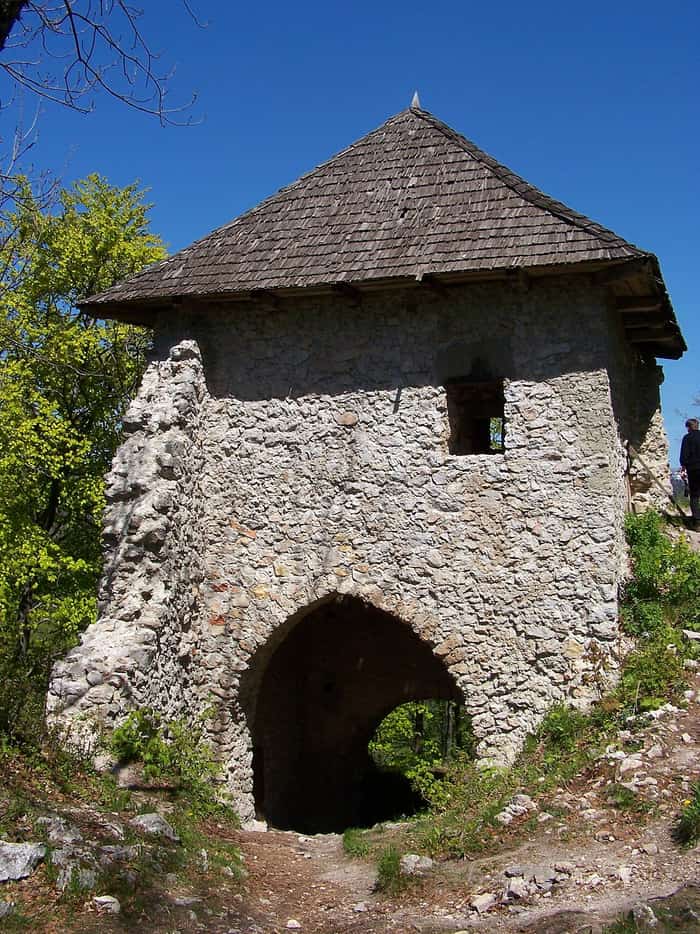
Muráň Castle
Muráň · mountain ruin of a robber knight and a legendary lady
12 km away
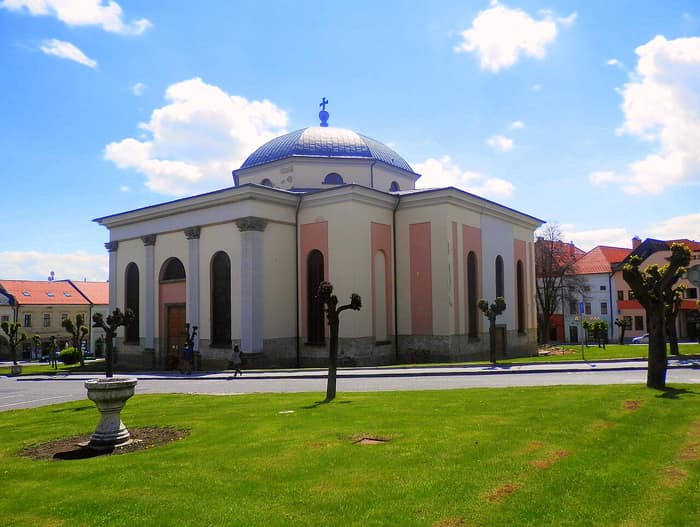
Evangelical Church of the Augsburg Confession, Levoča
Levoča · domed Lutheran church on a Greek-cross plan
45 km away
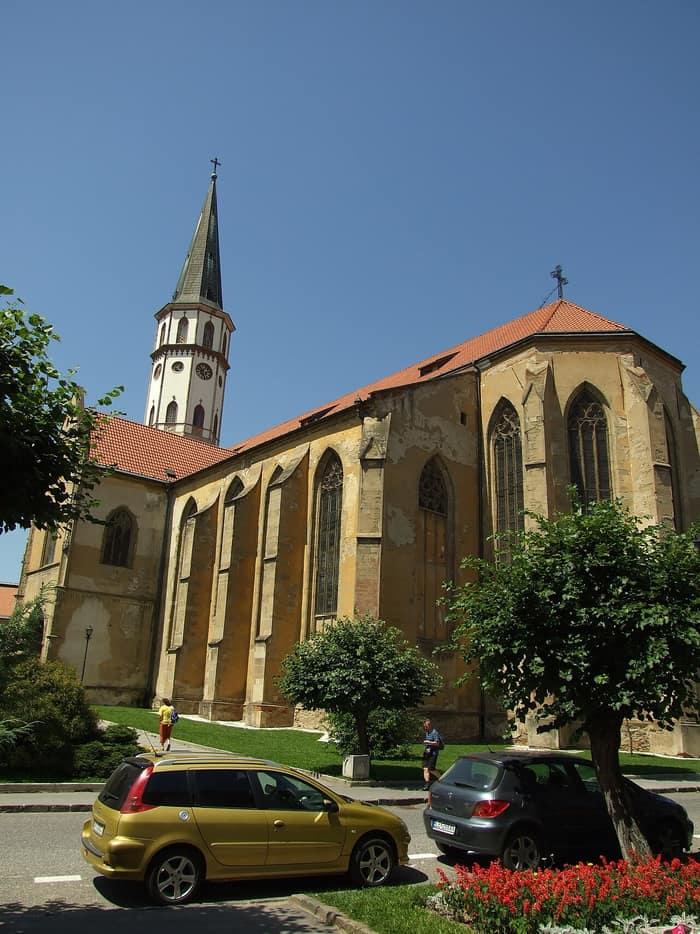
Basilica of St James, Levoča
Levoča · Gothic basilica with the world's tallest wooden altar
45 km away
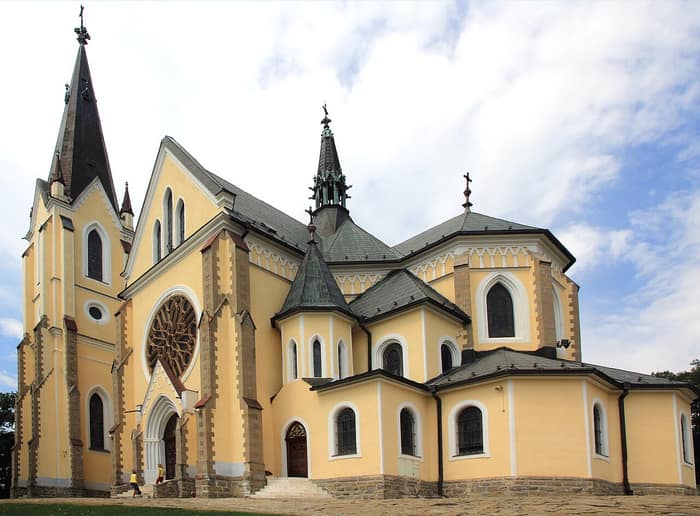
Mariánska hora
Levoča · pilgrimage hill where 650,000 gathered in 1995
47 km away