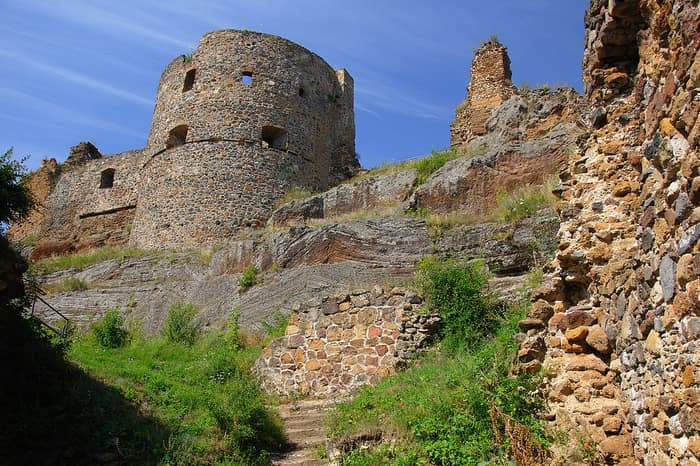
Fiľakovo Castle: a volcanic hill fortress in southern Slovakia
Fiľakovo Castle (Fiľakovský hrad, Hungarian Füleki vár) is a ruined medieval fortress on a volcanic hill in the middle of the town of Fiľakovo in southern Slovakia. Rebuilt as a massive Renaissance stronghold in 1551, it fell to the Ottomans three years later and was left in ruins after a fire in 1682. Today a museum in the Bebek Bastion and a nature trail make it a rewarding stop among the castles of southern Slovakia.
A castle on an old volcano's tuff ring was taken by the Ottomans through treason in 1554 and became the seat of a sanjak for 39 years; since a fire in 1682 it has stood in ruins.
The history of Fiľakovo Castle
Archaeological finds show that the castle hill was settled as early as the Copper Age, around 3500 BC. In the 12th century a stone castle, or at least a wooden fort, probably stood here, consisting of a four-sided tower, a perimeter wall with a palace on the south-west side and probably a rampart with palisades. The first written record dates from 1242 and tells how the castle withstood the Mongol raids. Among its owners was Matthew Csák of Trenčín, who held it from 1311 to 1321. In 1483 the troops of King Matthias Corvinus took the castle, and in 1490 it was entrusted to Balázs Ráskay, whose daughter married Ferenc Bebek and brought him the castle as her dowry.
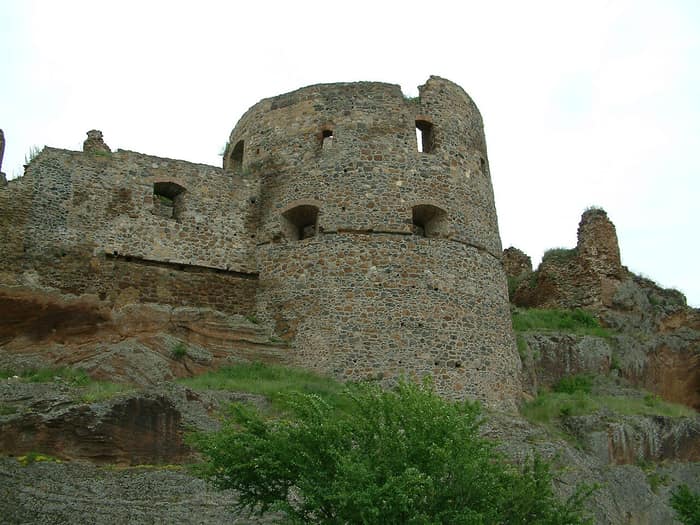
After the Battle of Mohács the Ottoman threat grew, and in 1551 the Bebek family had the castle rebuilt, to plans by the Italian builder Alessandro da Vedano, as a massive Renaissance fortress. A middle castle with two huge pentagonal bastions was added, the western one still called the Bebek Bastion, and between them rose a wall six metres thick with three artillery positions and six niches for hook guns. The lower castle was protected by three polygonal bastions, two tower gates with a drawbridge and a moat ten metres deep, while strong town walls were built at the same time. In spite of this, the Ottomans took the castle on 16 June 1554, according to the Hungarian sources by treason. For 39 years it was the seat of the Fiľakovo sanjak, which ruled a large part of southern Slovakia.
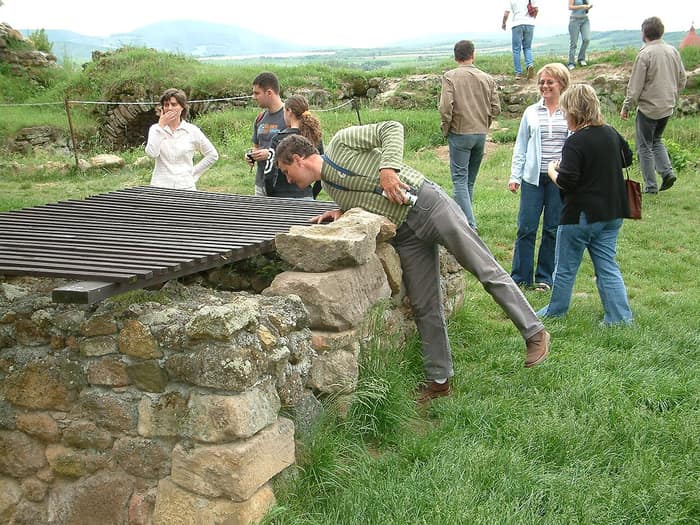
Under Ottoman rule the walls were strengthened, and the sources mention a minaret, gardens, stables for caravans, shops and workshops, as well as an improved water supply and wells. In 1593 the imperial army recaptured the castle. The 17th century was the golden age of the castle and town, with county assemblies meeting here, though the castle was repeatedly repaired after fights between the Habsburgs and their opponents and after a fire in 1615.
The end came in 1682. Imre Thököly, supported by a large Ottoman force, besieged the castle and took it; the castle burned, together with the county archive, and the town was destroyed. Since then the castle has been a ruin. Conservation work began in 1972, and in the reconstructed Bebek Bastion an exhibition on the history of the castle and the town has been installed.
Curiosities about Fiľakovo Castle
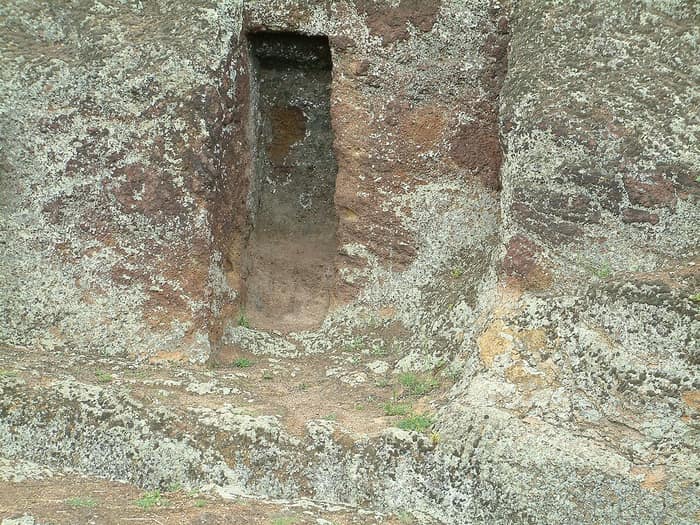
- The hill itself is a geological curiosity: the castle stands on the remains of a tuff ring, part of a volcanic maar, and the castle belongs to the Novohrad–Nógrád Geopark.
- Traces of settlement on the castle hill go back to around 3500 BC, long before any stone castle.
- The wall between the two pentagonal bastions of the 1551 rebuilding is six metres thick, with three artillery positions and six niches for hook guns.
- Under the Ottomans the castle was the seat of the Fiľakovo sanjak, and between 1554 and 1593 ten beys succeeded each other here, according to the Hungarian Wikipedia.
- When the castle burned in 1682, the county archive was lost with it.
- The castle museum, founded in 2007, shows stove tiles with portraits of medieval Hungarian kings and saints, the original castle keys and objects from the 39 years of Ottoman rule.
Tours near Fiľakovo Castle
Experiences in the area that you can book online with Viator:


Visiting Fiľakovo Castle
- The ruins stand in the middle of the town, so they are easy to reach. Of the lower castle only part of the courtyard survives, and of the town fortifications just one bastion.
- In the five-storey Bebek Bastion the exhibition Centuries of the Fiľakovo Castle (Stáročia fiľakovského hradu) opened in 2008 on the three lower floors, with medieval and early modern finds, the original keys and objects from the Ottoman period.
- The exhibition also shows finds from the surroundings, such as part of the Hodejov bronze hoard and belt fittings from the Avar Khaganate found at Prša.
- A nature trail through the ruins explains the history of the castle and the geology of the hill. Wear sturdy shoes for the uneven ground.
- Šomoška Castle, also on this site, lies about 11 km away. Check the current opening hours before you go.
Opening hours, access and conditions can change. Check before you go.
Map: where Fiľakovo Castle is
Photos of Fiľakovo Castle
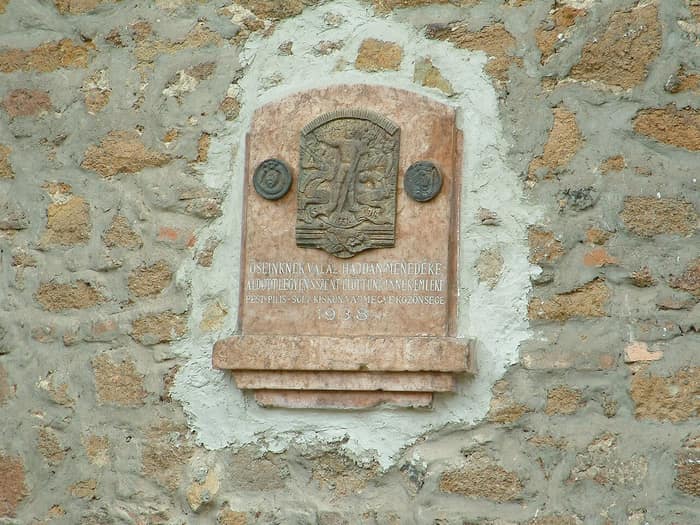
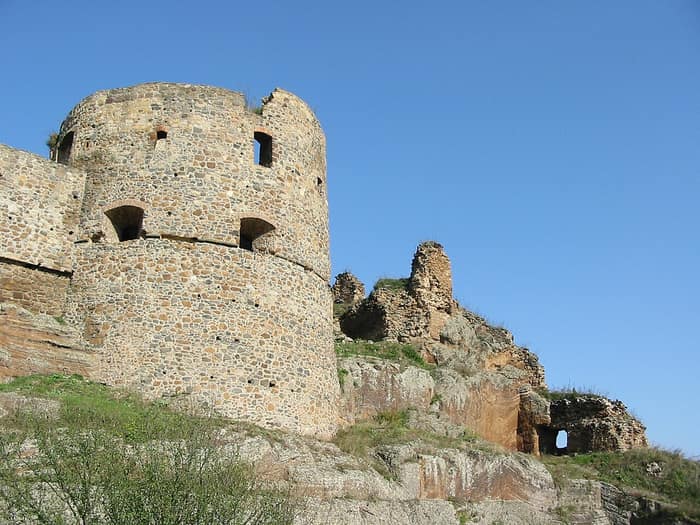
Questions
Where is Fiľakovo Castle?
Fiľakovo Castle stands on a volcanic hill in the middle of the town of Fiľakovo in southern Slovakia, in the Novohrad region. Šomoška Castle is about 11 km away.
What happened to Fiľakovo Castle?
The Ottomans captured it in 1554 and held it for 39 years. In 1682 it was taken once more and burned, together with the county archive, and it has been a ruin ever since.
Who owned Fiľakovo Castle?
Among its owners were Matthew Csák of Trenčín, who held it from 1311 to 1321, and the Bebek family, who received it as a dowry and rebuilt it in 1551. It was also royal property and was pledged to the Perényi family.
What can you see at Fiľakovo Castle today?
You can see the conserved ruins, the reconstructed Bebek Bastion with its museum exhibition, and a nature trail that explains the history and geology of the hill.
What was the Fiľakovo sanjak?
It was an Ottoman administrative district with its seat in Fiľakovo Castle from 1554 to 1593. It covered a large part of southern Slovakia.
How old is Fiľakovo Castle?
The hill was settled around 3500 BC, a fortification stood here by the 12th century, and the first written mention dates from 1242. The Renaissance bastion fortress dates from 1551.
Also nearby
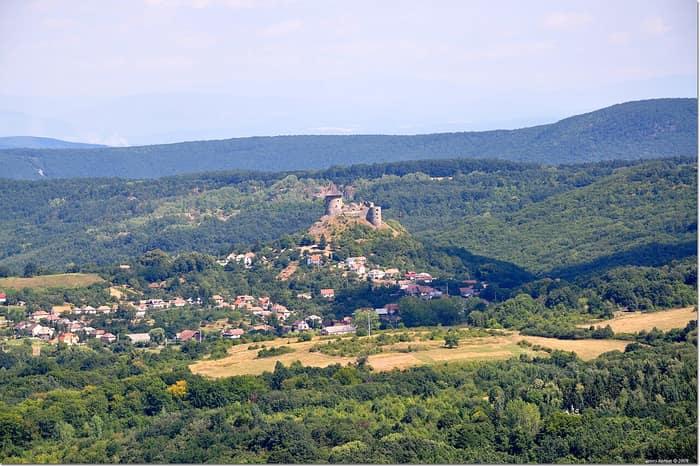
Šomoška Castle
Šiatorská Bukovinka · basalt castle ruin beside a stone waterfall
11 km away
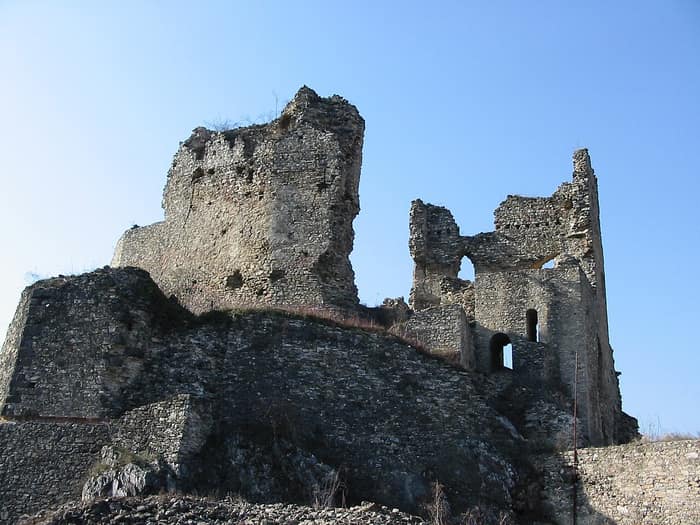
Divín Castle
Divín · Gothic castle ruin that spent 18 years under Ottoman rule
29 km away
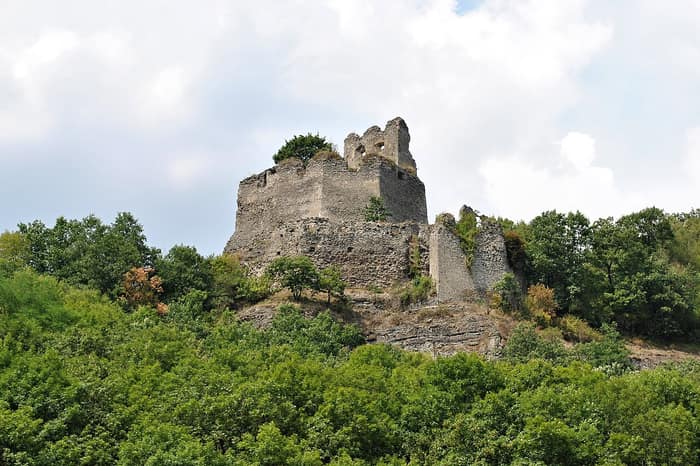
Čabraď Castle
Čabradský Vrbovok · ruined castle that the Ottomans never took
53 km away
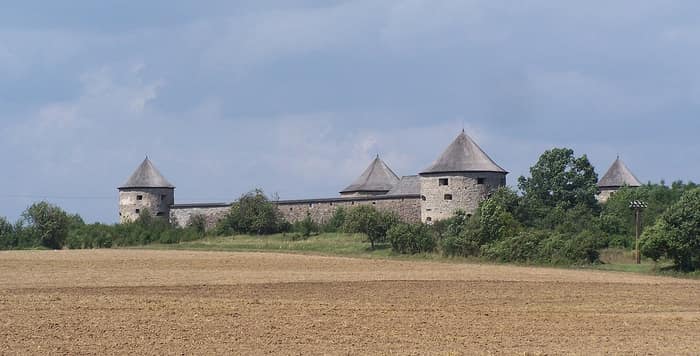
Bzovík Fortified Abbey
Bzovík · Romanesque abbey rebuilt as a bastioned fortress
55 km away