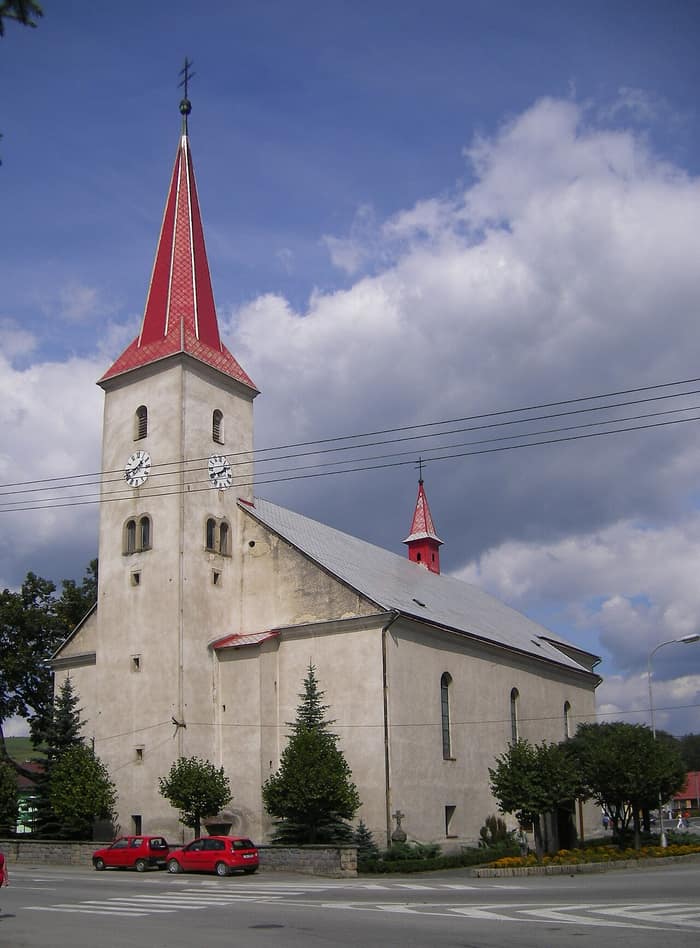
Most Holy Trinity Church in Tvrdošín: Orava's Baroque landmark
The Most Holy Trinity Church (Kostol Najsvätejšej Trojice) is the Roman Catholic parish church of Tvrdošín, a town in the Orava region of northern Slovakia. Its walls date from the late 18th century, but parts of an older wooden church are built into them, and the courtyard holds a Marian column and Baroque statues. It is a quiet stop for anyone exploring the churches of Orava.
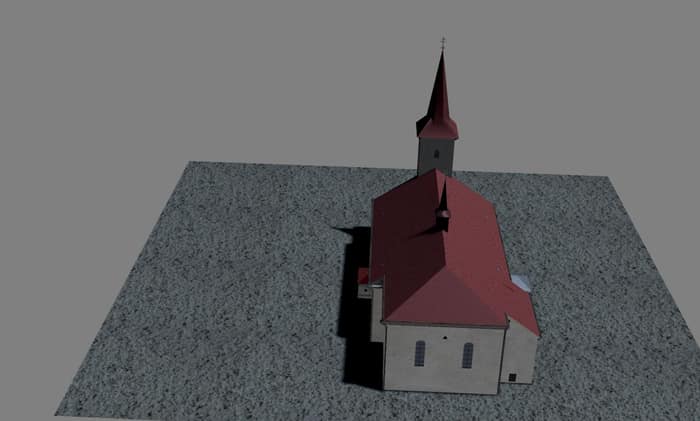
Fire destroyed the wooden church of Tvrdošín more than once, but its old tower survived and still stands beside the Baroque walls raised in 1766–1770.
The history of the Most Holy Trinity Church
Tvrdošín lies where the Orava and Oravica rivers meet, close to the old border between Hungary and Poland. This position favoured a customs station, probably founded under King Andrew II in the early 13th century, and in 1369 King Louis granted the settlement the privileges of a royal town. The 17th century was one of the hardest periods in the town's history, with anti-Habsburg uprisings and the movement and plundering of armies.
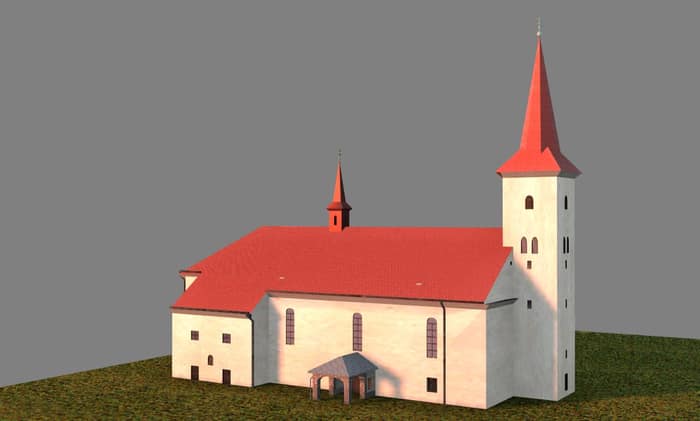
In the first half of the 17th century a wooden church was built here. It burned down several times, and when the present church was planned, only part of the older building could be saved. According to the Slovak and English sources, the tower, the sanctuary and the oratory remained, and the English article adds the middle choir. The tower is dated to 1628 in the English article.
Work on the present masonry church began in May 1766 and finished in 1770, and the church was consecrated on 2 June 1770, the feast of the Holy Trinity. It is a three-nave building with a monumental late-Baroque main altar. The Polish article credits the altar to the parish priest Pavol Bernolák, who served from 1755 to 1796, and the interior was painted by the local artist Karol Mayer. In the late 18th century a Marian column and a sandstone statue of St John of Nepomuk were added in the courtyard.
The tower originally had an onion-shaped roof covered in copper sheet, which was requisitioned during the First World War. A major fire damaged the tower, and the present helm dates from the rebuilding of around 1900. During the Second World War the church was hit by a mine, which damaged the eastern part of the roof, the vault and the altar. The altar was restored by the artist Ctibor Belan together with the carpenter Ján Rakyta. The facades were repainted in 1929 and 2008, and in 1989 an organ by Rieger-Kloss, moved from the church of St Martin in the Wall in Prague, was installed.
Curiosities about the Most Holy Trinity Church
- The church was consecrated on 2 June 1770 on Holy Trinity day, which suits its dedication.
- Of the original wooden church, the tower, the sanctuary and the oratory survived the fires and were built into the new masonry church.
- The tower once had an onion dome covered in copper, and the copper sheet was requisitioned during the First World War.
- During the Second World War a mine struck the church and damaged the eastern roof, the vault and the Baroque altar.
- The organ installed in 1989 by Rieger-Kloss came from the church of St Martin in the Wall in Prague.
- A folk sculpture of St Florian from the second half of the 18th century stands in a niche above the sacristy entrance.
Tours near Most Holy Trinity Church, Tvrdošín
Experiences in the area that you can book online with Viator:


Visiting the Most Holy Trinity Church
- The church stands on Trojičné námestie in the centre of Tvrdošín, so it is easy to combine with a walk through the town.
- Inside, look for the monumental late-Baroque main altar, restored after the war damage.
- Outside, the Marian column in front of the entrance, the statue of St John of Nepomuk on the north side of the courtyard and the St Florian figure above the sacristy door are all from the 18th century.
- As a parish church it is a place of worship, so visit quietly. The sources give no details on access, so check local information before you go.
- Nearby on this site: the Church of All Saints of Tvrdošín, about 1 km away, and Orava Castle, about 16 km away.
Opening hours, access and conditions can change. Check before you go.
Map: where Most Holy Trinity Church, Tvrdošín is
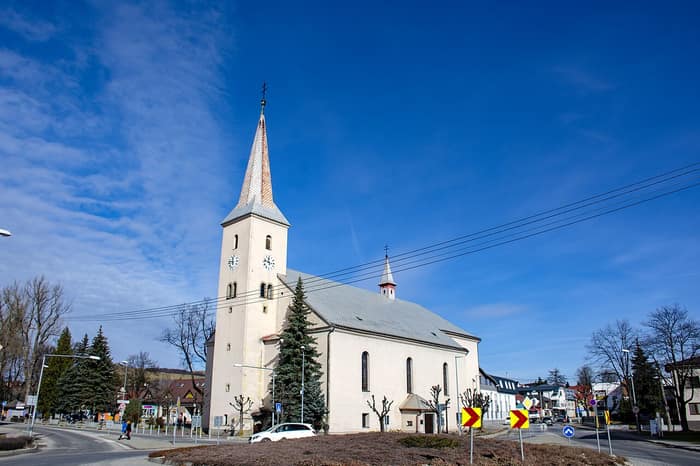
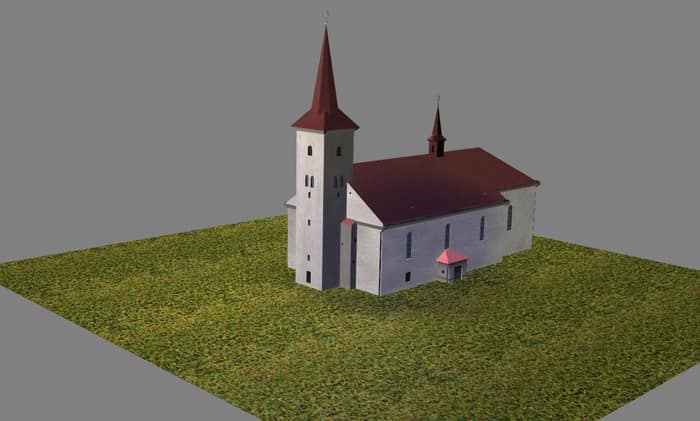
Photos of Most Holy Trinity Church, Tvrdošín

Questions
Where is the Most Holy Trinity Church in Tvrdošín and how do you get there?
It stands in the centre of Tvrdošín in the Orava region, about 30 km north-east of Dolný Kubín. Trstená lies about 5 km to the north-east.
When was the Most Holy Trinity Church built?
Building of the present church began in May 1766, and it was consecrated on 2 June 1770. An earlier wooden church from the first half of the 17th century stood here before it.
What is left of the old wooden church?
The sources say that the tower, the sanctuary and the oratory of the earlier church were kept, and the English article mentions the middle choir as well.
What can you see at the Most Holy Trinity Church?
The main attractions are the monumental late-Baroque altar, the Marian column, the sandstone statue of St John of Nepomuk and a folk sculpture of St Florian.
What happened to the church in the Second World War?
A mine hit the church and damaged the eastern roof, the vault and the altar. The artist Ctibor Belan and the carpenter Ján Rakyta restored the altar after 1945.
Which other sights are near the church?
The Church of All Saints of Tvrdošín is about 1 km away, and Orava Castle lies about 16 km away. Both have their own pages on this site.
Also nearby
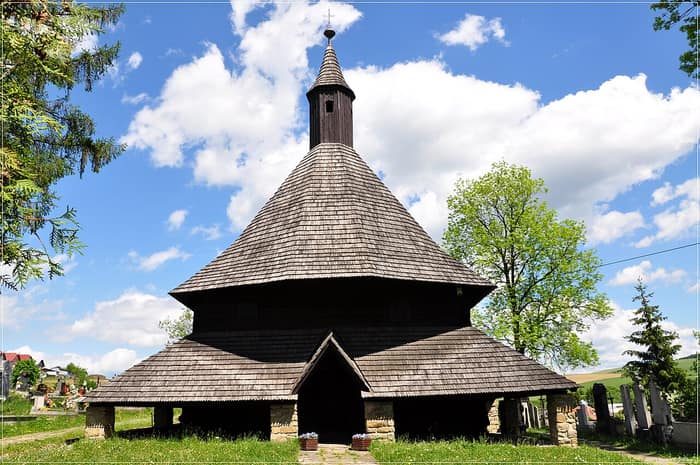
Church of All Saints, Tvrdošín
Tvrdošín · Gothic log church with a painted ceiling
500 m away
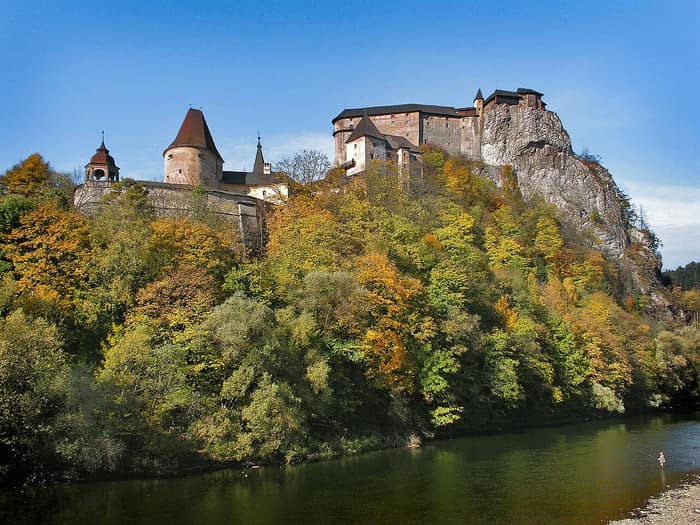
Orava Castle
Oravský Podzámok · rock castle that played Nosferatu's home
16 km away
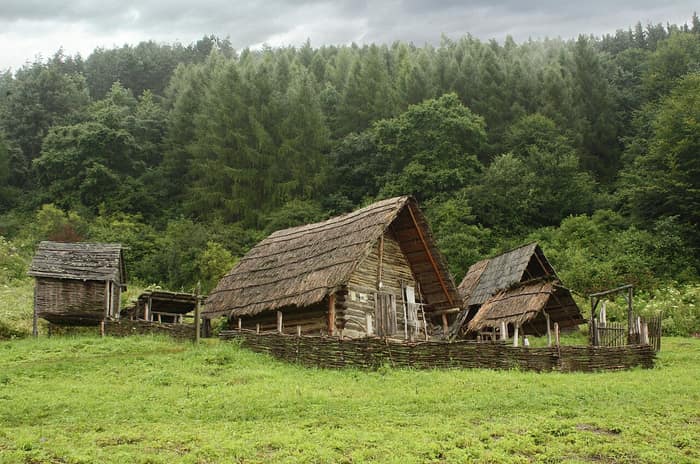
Havránok
Liptov · Celtic hillfort and shrine brought back to life
26 km away
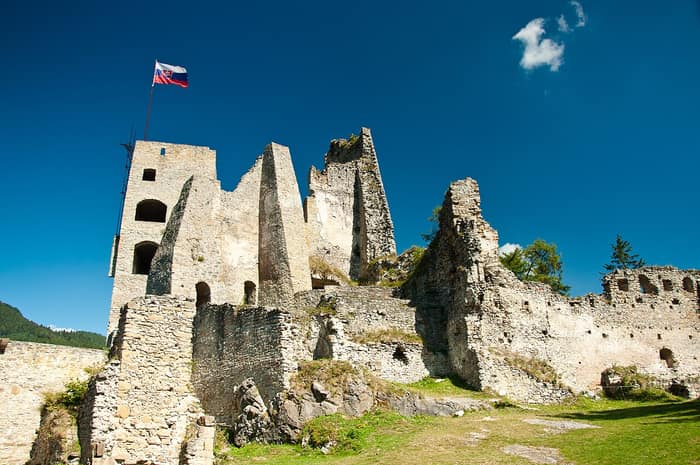
Likava Castle
Likavka · Liptov's biggest castle, Hussite prize and county prison
31 km away