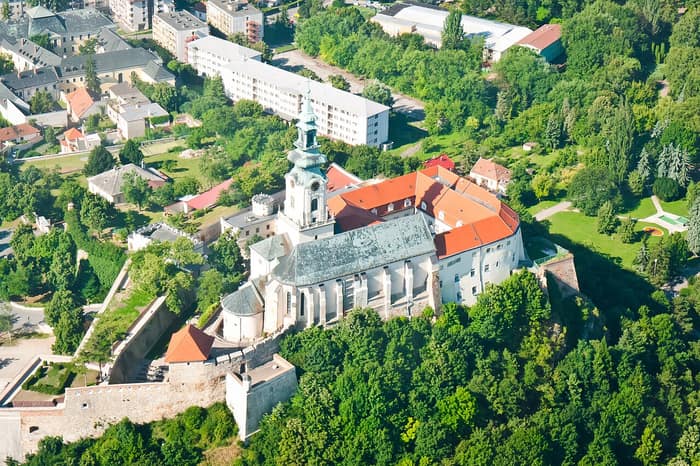
St Emmeram's Cathedral in Nitra: a cathedral of three churches
St Emmeram's Cathedral (Bazilika svätého Emeráma) stands on the castle hill above Nitra in western Slovakia, within the Nitra Castle precinct. It combines a Romanesque chapel, a Gothic upper church and a 17th-century lower church under a Baroque remodelling, which makes it one of the most layered sacred buildings in the country and a rewarding stop for anyone interested in church history.
The cathedral above Nitra is really three churches in one: a Romanesque chapel once taken for the church of the 9th-century prince Pribina, a Gothic upper church and a lower church, joined in a single Baroque shell.
The history of St Emmeram's Cathedral
The cathedral lies inside Nitra Castle, much as St Vitus lies inside Prague Castle, and it is dedicated to Emmeram of Regensburg, a travelling bishop of the seventh century who worked as a missionary from the court of Theodo I, Duke of Bavaria. It is in fact three buildings in one. The oldest, a Romanesque chapel, dates from the 11th to 12th century. For a long time it was taken for the original church of Prince Pribina from the 9th century, but research has not supported that idea, and recent excavations suggest the first church here was built in the first half of the 11th century.
After a fire in the second half of the 13th century the old church was rebuilt, and in 1317 it suffered again when the army of Matthew Csák of Trenčín destroyed much of it. The Gothic rebuilding began in 1333 under Bishop Meško and was finished in 1355. On the highest point of the rocky rise a single-nave Gothic church was built, its size set by the narrow space between the steep slope of the castle hill and the Romanesque church, which was incorporated into the new building and later served as a chapter room and treasury. A late Romanesque crypt disappeared under the rebuilding and was filled in.
In 1621–1642, on the initiative of Bishop Telegdy, the lower church was added along the south side of the upper church and the end of the Romanesque one, linked to it by a staircase. When the castle lost its strategic importance after 1711, the whole complex was rebuilt in Baroque style to plans by the Italian architect Domenico Martinelli. The main altar of the new cathedral was consecrated in 1732 and the work was finished in 1736, the date of much of the interior decoration. Under Bishop László Ádám Erdődy the Baroque interior, including the marbled pulpit, took shape in the early 18th century.
The 20th century added new layers. The Romanesque part was repaired in 1931–1933 ahead of the national celebration of Pribina's memory, with works by artists such as František Pospíšil, Ľudovít Fulla and Ladislav Majerský. In 1961 the cathedral was among the first national cultural monuments declared in Slovakia. Pope John Paul II visited in 1995 and on 21 October 1998 restored its ancient title of basilica. In 2007 a full renovation began, and during restoration in 2012 frescoes of the 14th or 15th century were uncovered behind the altar. A new organ by Kögler with 30 stops was built in 2016. In 2008 the remains of Jozef Tiso, president of the wartime Slovak State, were reburied in the crypt.
Curiosities about St Emmeram's Cathedral
- The cathedral is housed entirely within the Nitra Castle precinct, in the same way that St Vitus Cathedral stands within Prague Castle.
- The Romanesque chapel was long thought to be the church of Prince Pribina from the 9th century, but archaeological research has not supported that.
- The chapel holds a silver reliquary made in 1674, and another reliquary in the cathedral holds relics of St Cyril that reached Nitra from Rome through Bishop Karol Kmeťko.
- The statue of the patron saint, found in 1933, is described as the oldest known sculpture in Slovakia.
- When the first organ was built in 1718–1723, the organ builder Samuel Zorkovský demanded English tin, which had to be obtained directly from England and delayed the work.
- The title of basilica was already attached to the church in the 11th century; it was renewed by Pope John Paul II on 21 October 1998.
Tours near St. Emmeram's Cathedral, Nitra
Experiences in the area that you can book online with Viator:


Visiting St Emmeram's Cathedral
- In the upper church look for the main altar of the Saviour with its tall column architecture, the ceiling fresco by Anton Galliarti and the marbled Baroque pulpit.
- The lower church holds the altar of the Deposition by the sculptor Hans Pernegger, with a marble relief of the Entombment, three tombs of Nitra bishops and three late Baroque side altars of the 18th century.
- The Romanesque chapel, the oldest part, contains the silver reliquary of 1674; modern works include windows by Ľudovít Fulla showing St Andrew and St Benedict.
- The cathedral is part of Nitra Castle, so it combines easily with a walk around the castle precinct; Zobor Abbey and the Zobor transmitter lie about 3 km away. Check the current opening hours before you go.
- It is a working cathedral of the Diocese of Nitra, so visitors should be mindful of services.
Opening hours, access and conditions can change. Check before you go.
Map: where St. Emmeram's Cathedral, Nitra is
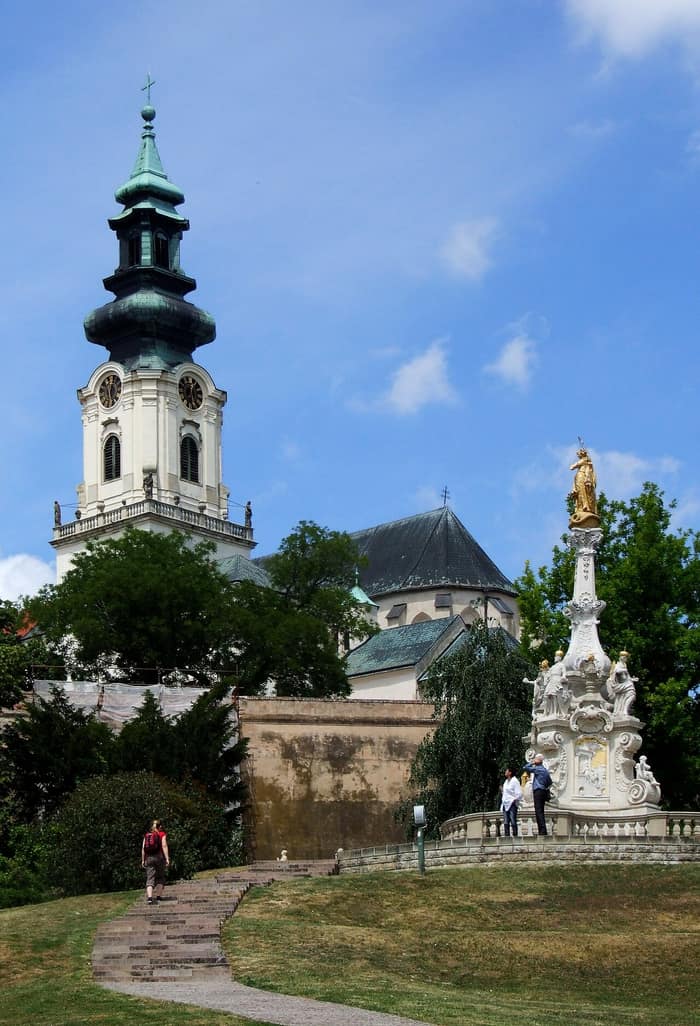
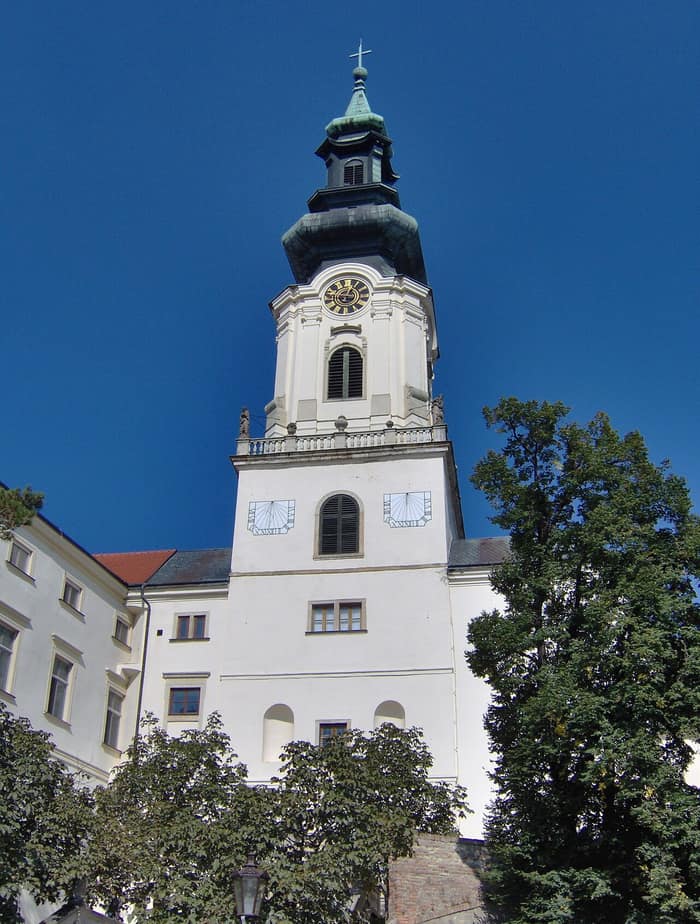
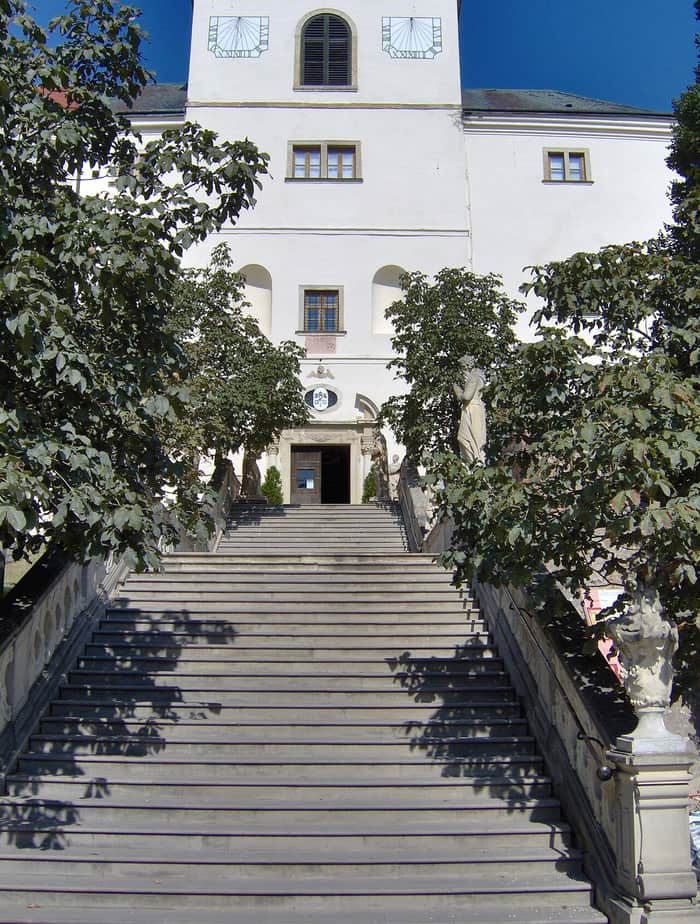
Photos of St. Emmeram's Cathedral, Nitra
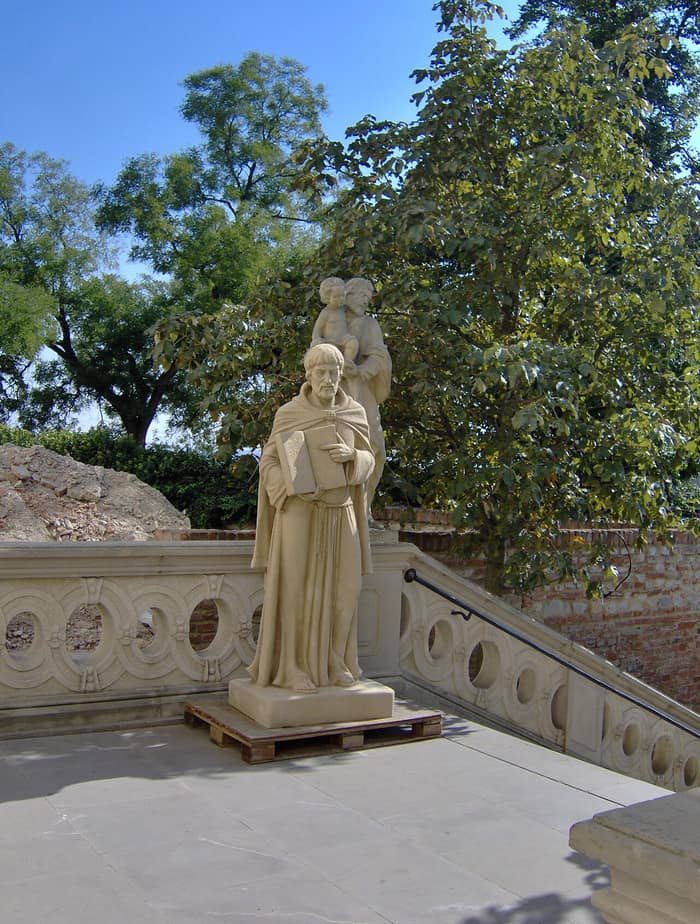
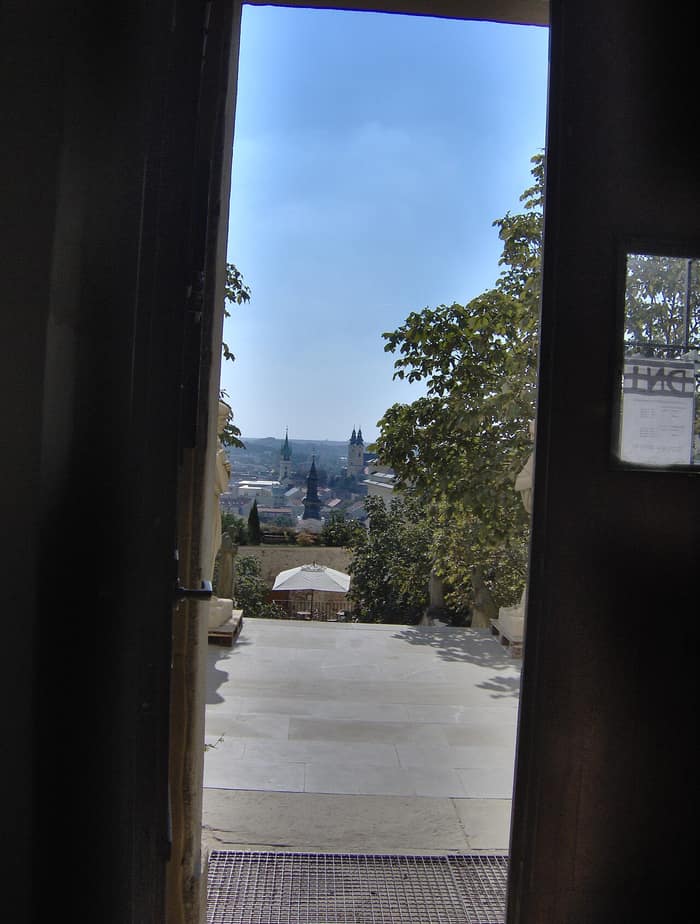
Questions
Where is St Emmeram's Cathedral in Nitra?
It stands inside the Nitra Castle precinct on the hill above the town of Nitra in western Slovakia. It is the cathedral church of the Diocese of Nitra.
Who was St Emmeram?
Emmeram of Regensburg was a travelling bishop and martyr of the seventh century who did missionary work from the court of Theodo I, Duke of Bavaria. The cathedral is dedicated to him.
How old is St Emmeram's Cathedral?
The oldest part, the Romanesque chapel, dates from the 11th to 12th century. The Gothic upper church was built in 1333–1355 and the lower church in 1621–1642, and the whole was rebuilt in the Baroque style by 1736.
Is it the church of Prince Pribina?
It was long believed that the Romanesque chapel was Pribina's 9th-century church, but research has not supported this. Excavations suggest that the first church here dates from the first half of the 11th century.
Why is it called a basilica?
The church was already described as a basilica in the 11th century. Pope John Paul II, who visited in 1995, restored the title on 21 October 1998.
What is special inside the cathedral?
Highlights include the Baroque main altar, the altar of the Deposition by Hans Pernegger, the silver reliquary of 1674 and frescoes of the 14th or 15th century uncovered in 2012.
Also nearby
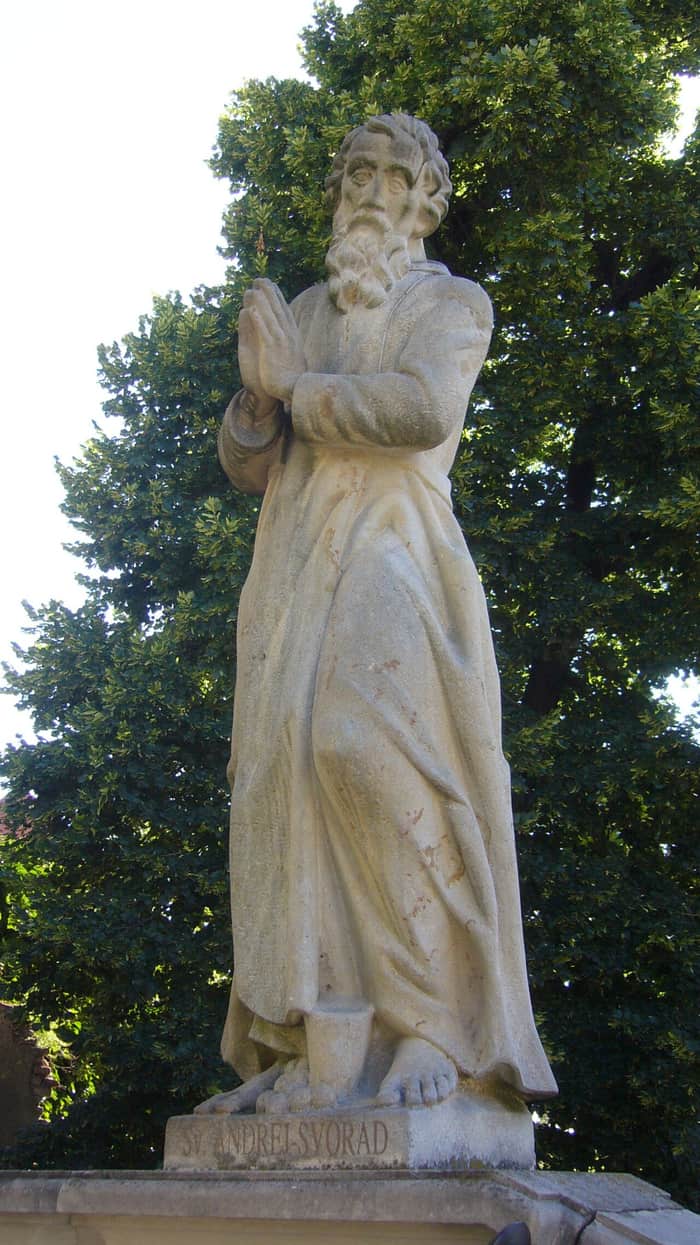
Nitra Castle
Nitra · Bronze Age hill that became a bishop's seat
50 m away
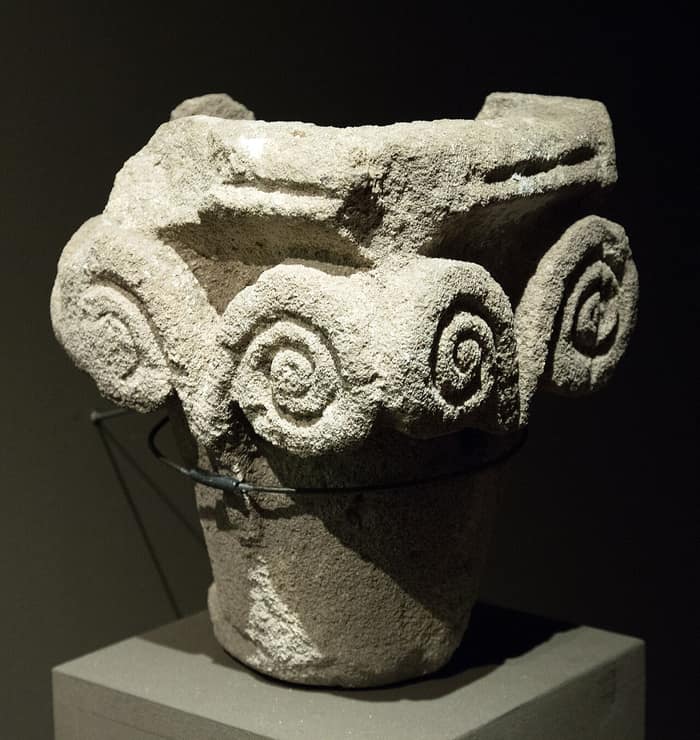
Zobor Abbey
Nitra · ruined monastery of the oldest charters in Slovakia
3 km away
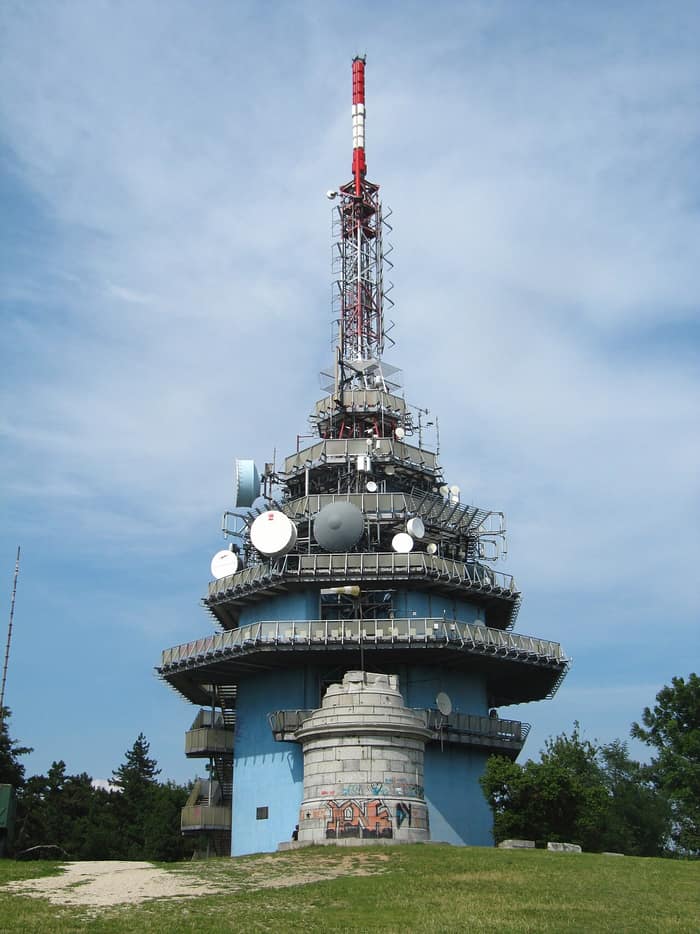
Zobor Transmitter
Nitra · a 1993 broadcasting tower on a hill full of history
3 km away
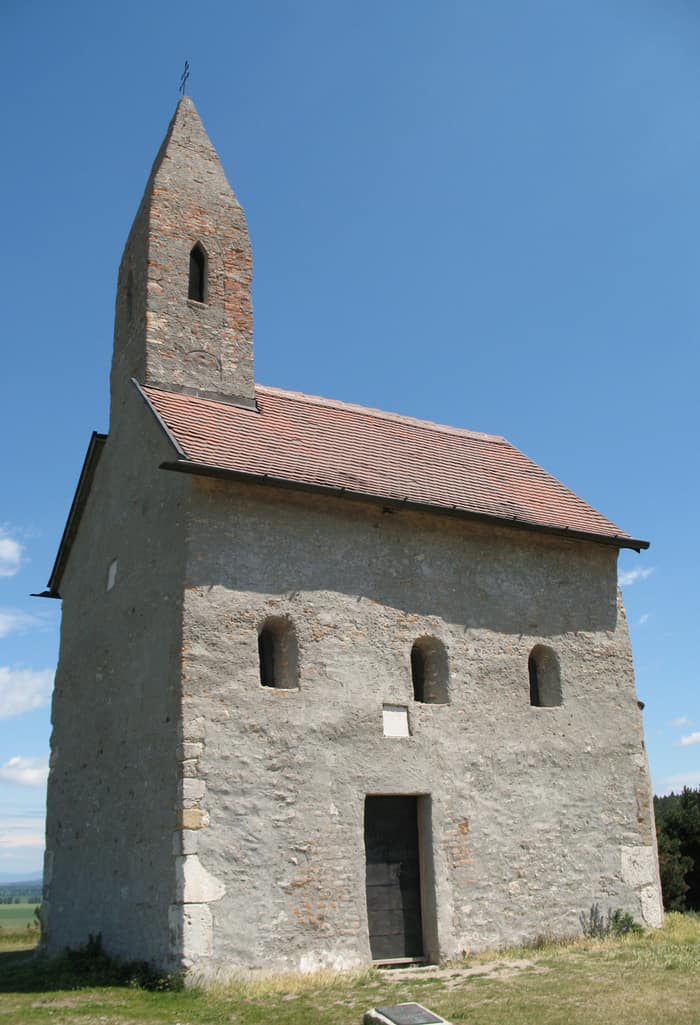
St Michael the Archangel Church, Dražovce
Dražovce, Nitra · one of Slovakia's oldest churches, once on a banknote
5 km away