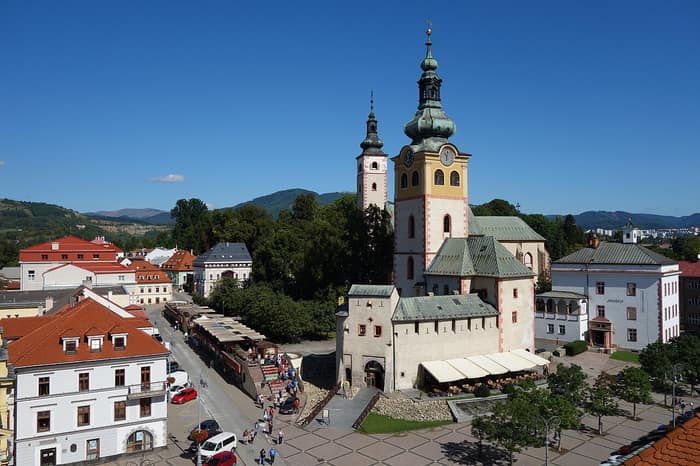
Banská Bystrica Castle: a fortified church precinct
Banská Bystrica Castle (Mestský hrad) is the symbol of the old town of Banská Bystrica in central Slovakia, standing on a small square above the main square. A late Romanesque church, a town hall, a Gothic house and a barbican gate are bound together by walls and round bastions, and the pair of onion-domed towers gives the skyline its famous silhouette.
This is a castle in which nobody was meant to live: Banská Bystrica's burghers walled in a church, a town hall and a royal house to guard the silver and copper revenues from rebellious miners.
The history of Banská Bystrica Castle
Banská Bystrica Castle grew up beside the original mining settlement that preceded the founding of the town. Even then a parish church of the Assumption of the Virgin Mary stood here. It is the oldest building of the complex, a late Romanesque church of the second half of the 13th century, and it was originally surrounded by a cemetery on which a Romanesque ossuary stood until the 19th century. Towards the end of the Middle Ages this church became the centre of a new fortress.
In the 16th century Banská Bystrica was one of the most important towns of the Kingdom of Hungary, thanks to its strategic position and to the copper and silver ores mined in the nearby mountains. Unlike a royal or noble castle, the town castle was not a residence. Its task was to protect the income from mining precious metals and the royal treasury. The king's and the Church's representatives lived here, the town council met here, and a common fortification protected the patricians against enemies from outside and unrest from within, above all during the miners' revolts.
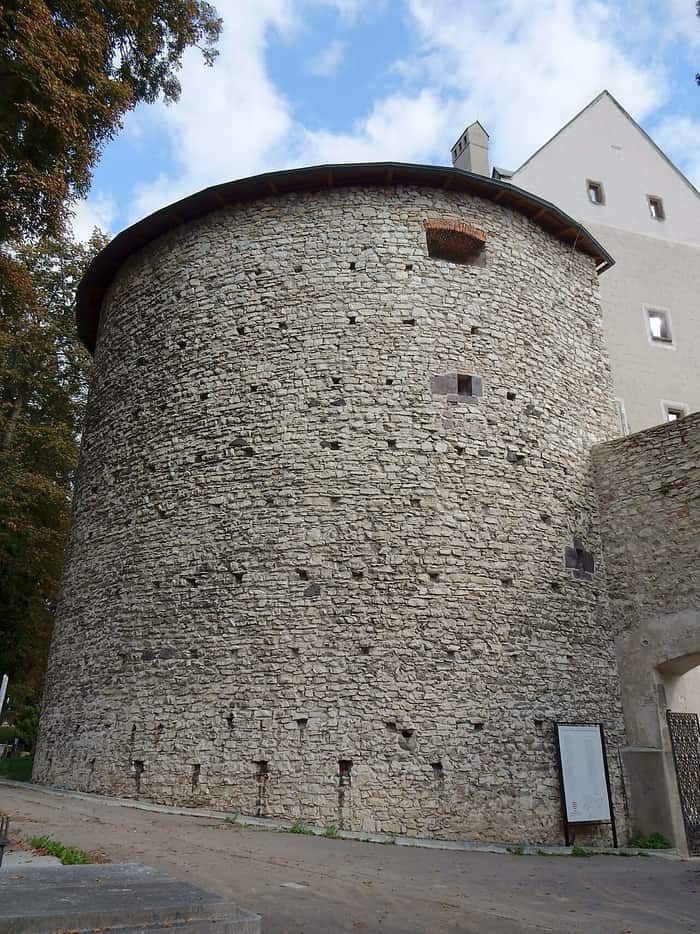
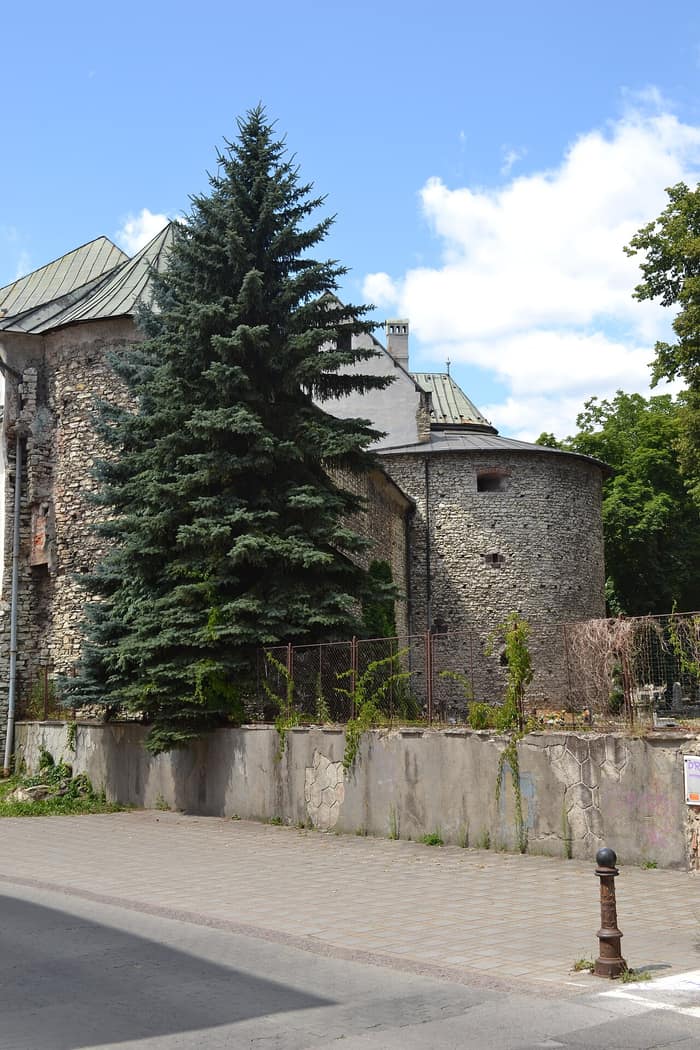
Inspired by the example of the town castle in Kremnica, the burghers fortified the area around the parish church in the last third of the 15th century. They added the Gothic house of King Matthias (the Matthias House) in 1479, the Church of the Holy Cross, called the Slovak church because mostly Slovak inhabitants attended it, in 1492, and the town hall around 1500. The defences consisted of a high stone wall with round bastions, and the key element was the entrance gate with its barbican, completed in 1512, with one gateway for carts and one for pedestrians. In the same period the parish church was lavishly rebuilt; its oratory, the chapel of St Barbara with a late Gothic wing altar by Master Paul of Levoča, and a bronze font by Master Jodok still document that work.
The town hall was extended in 1546, and in 1564 and 1565 Master Peregrinus remodelled its façade, including the old late Gothic loggia, and crowned it with a Renaissance attic with swallowtail shapes. In 1761 a fire destroyed the monumental high altar by Master Paul of Levoča, which is said to have been even larger than the one in Levoča. In 1767 it was replaced by a baroque altar with paintings by the Austrian painter J. L. Kracker, and the collapsed vault was rebuilt as a baroque one with an illusionistic architectural fresco by Anton Schmidt in 1767–1770. The typical copper onion-shaped roofs date from this period. The whole complex was thoroughly reconstructed in 2005, and since 2009 it has included a café and restaurant.
Curiosities about Banská Bystrica Castle
- Unlike royal or noble castles, this town castle was never meant for living: it served only as a fortification for the officials, mayor and clergy of a wealthy mining town.
- The burghers copied the idea of Kremnica's town castle, and the common wall was built partly to protect patricians during miners' revolts.
- The destroyed high altar by Master Paul of Levoča is said to have been even more monumental than the famous one in Levoča; a fire of 1761 ended it.
- In the presbytery vault, portraits of saints illusionistically replace the usual consoles, a typological curiosity of the parish church.
- Fragments of scenes under the church cornice depict the seven deadly sins.
- The barbican had two separate gateways, one for carts and one for pedestrians, and was completed in 1512.
Tours near Banská Bystrica Castle
Experiences in the area that you can book online with Viator:

From Bratislava: Bojnice Castle, Čičmany & Banská Štiavnica Tour
See details ›
Private Trip to Unesco Town of Banská Štiavnica from Bratislava
See details ›
Private One Day Tour to the UNESCO Heritage Village and The High Tatras from Bratislava
See details ›
Private Magic Christmas Tour in Bojnice
See details ›Visiting Banská Bystrica Castle
- The complex consists of the Church of the Virgin Mary, the Matthias House, the Slovak church, the former town hall, the rectory and the stone fortification with its bastions and barbican gate.
- Look for the Gothic details of the parish church: the relief of Christ on the Mount of Olives near the tower corner, the torso of an Annunciation from around 1500 and the late Gothic portal of the Slovak church.
- Today the former town hall houses the Central Slovak Gallery, and since 2009 the castle also has a café and a restaurant. Check the current opening hours before you go.
- Through the wrought-iron gate beside the Matthias House you reach a historic cemetery where several national figures and writers are buried, with impressive views of the castle complex.
- Nearby sites on this site include the SNP Monument and Museum in Banská Bystrica, the wooden articular church of Hronsek (about 10 km), Zvolen Castle (about 18 km) and Pustý hrad (about 20 km).
Opening hours, access and conditions can change. Check before you go.
Map: where Banská Bystrica Castle is
Photos of Banská Bystrica Castle
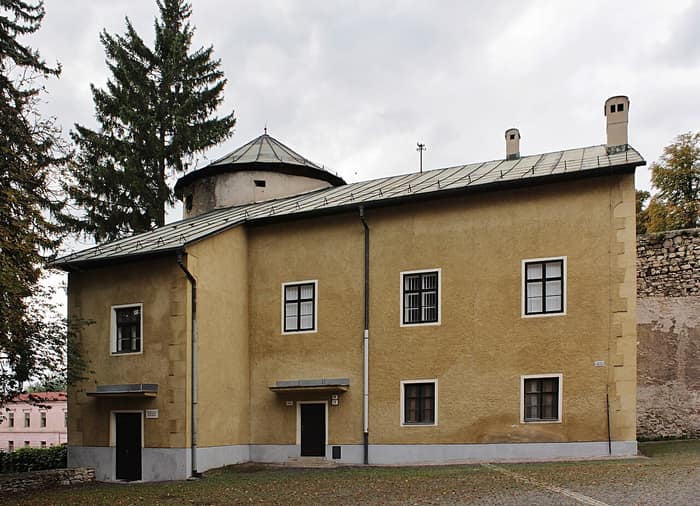
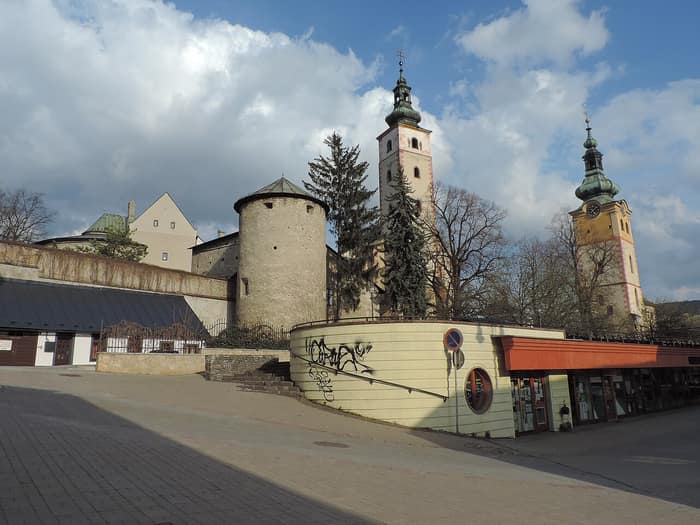
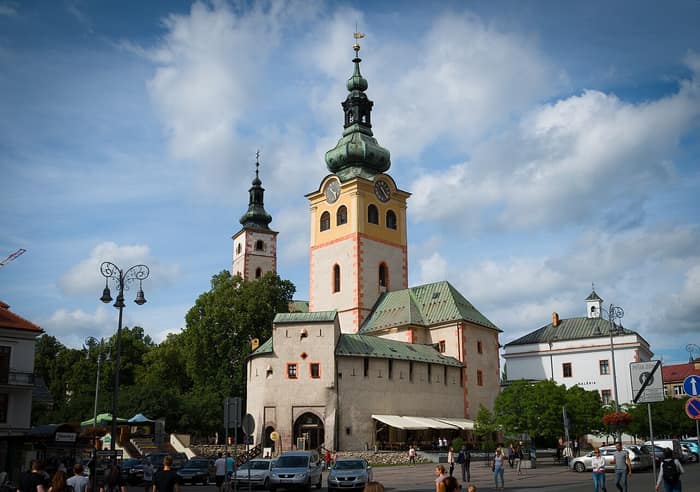
Questions
Where is Banská Bystrica Castle?
It stands in the centre of Banská Bystrica, on a small square above the main square, so it is easy to reach on foot from the old town.
Was Banská Bystrica Castle a residence?
No. Unlike royal or noble castles it served only as a fortification, although the king's and Church's representatives lived in the complex and the town council met there.
What is the oldest part of Banská Bystrica Castle?
The late Romanesque parish church of the Virgin Mary from the second half of the 13th century, which later became the centre of the fortress.
What does the town castle consist of?
It consists of the Church of the Virgin Mary, the Matthias House, the Slovak church, the town hall, the rectory and a stone fortification with bastions and a barbican entrance gate.
Why was the castle built?
To protect the revenues from mining copper and silver and the royal treasury, and to shield the town's patricians from enemies and from unrest, especially miners' revolts.
What can you do at the castle today?
You can admire the church and fortifications, visit the former town hall, which houses the Central Slovak Gallery, and, since 2009, use the castle's café and restaurant.
Also nearby
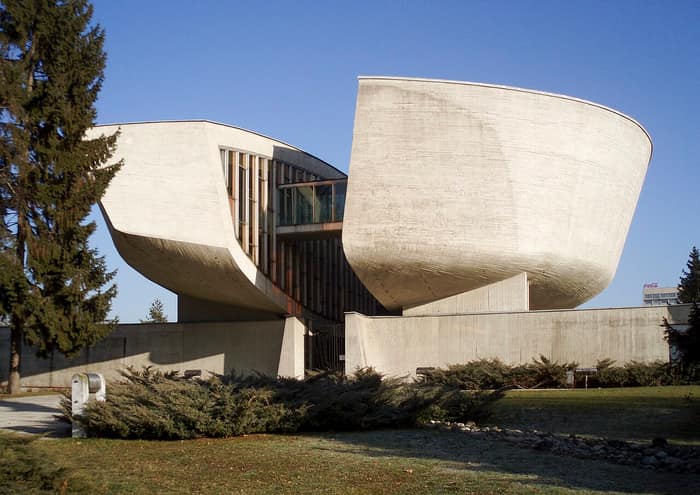
SNP Monument and Museum in Banská Bystrica
Banská Bystrica · brutalist memorial to the 1944 uprising
300 m away
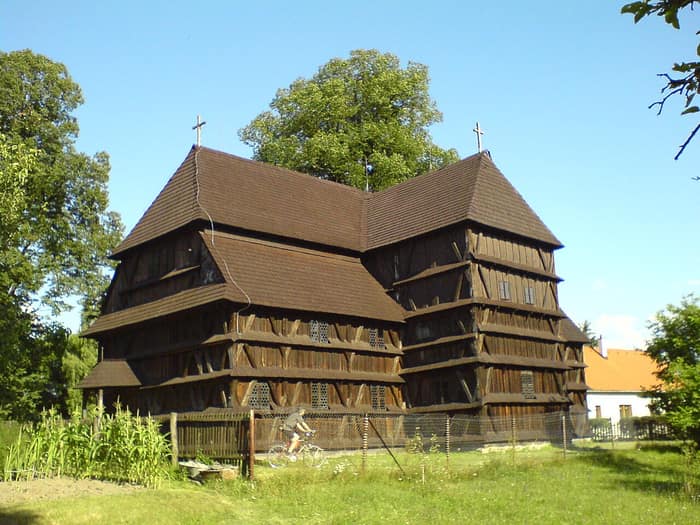
Wooden articular church of Hronsek
Hronsek · UNESCO Lutheran timber church built under the 1681 rules
10 km away
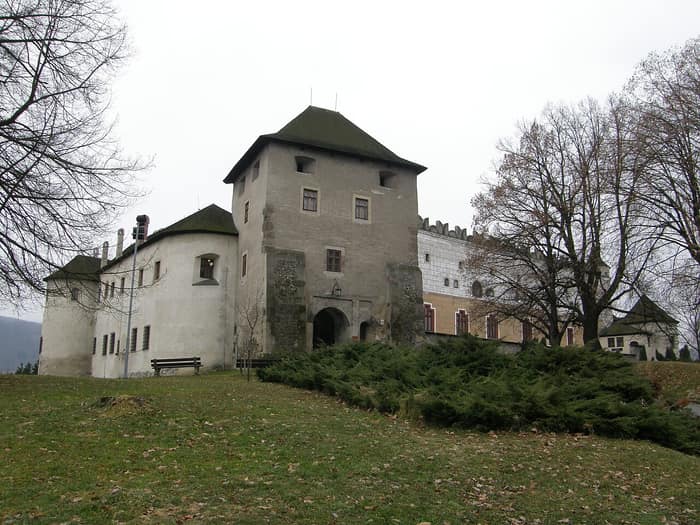
Zvolen Castle
Zvolen · Anjou hunting castle with a painted ceiling and Rubens
18 km away
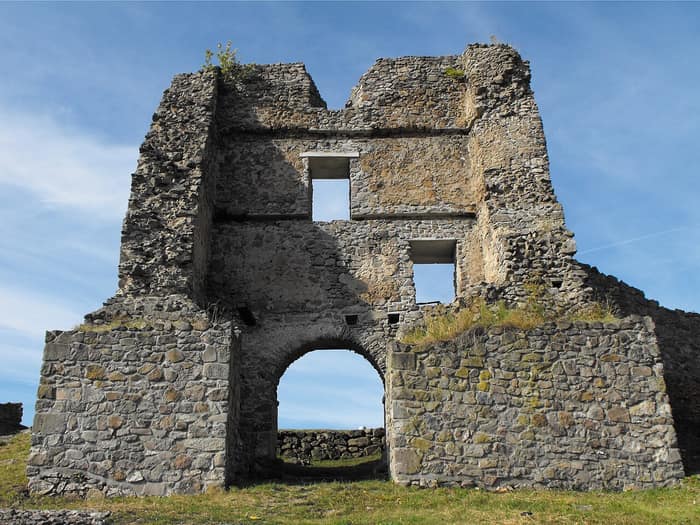
Pustý hrad
Zvolen · ruins of one of Europe's largest medieval castles
20 km away