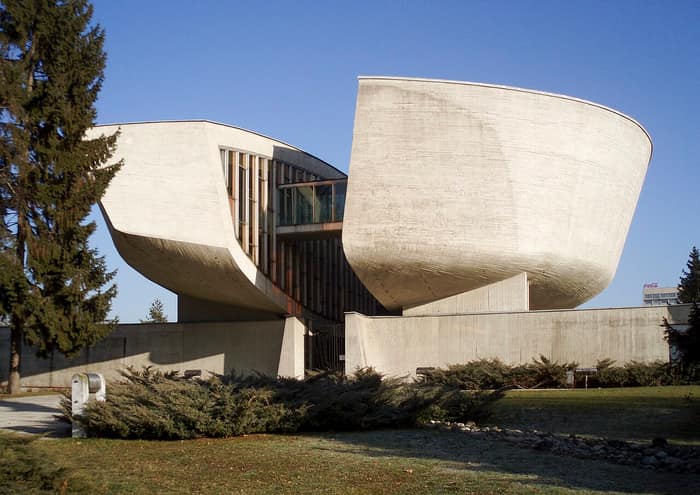
SNP Monument and Museum in Banská Bystrica: a memorial in concrete
The SNP Monument and Museum (Pamätník SNP) stands on a rise at the edge of the old centre of Banská Bystrica, the town where the Slovak National Uprising of 1944 began. Designed by Dušan Kuzma and completed in 1969, it combines a memorial and a museum in two sweeping concrete halves, and it is one of the most important modern monuments in central Slovakia.
A brutalist building said to echo a shepherd's hat holds a sculpture that was removed in 1972 and only came back in 2004: the story of the monument is part of the story it tells.
The history of the SNP Monument and Museum
The monument belongs to the story of the Slovak State, which existed from 1939 to 1945 as a close ally of Nazi Germany. On 29 August 1944 the Slovak National Uprising, an armed revolt of the resistance and parts of the army, was launched from Banská Bystrica against the German troops that had occupied the country and against the collaborationist government of Jozef Tiso. German forces largely defeated the insurgents, and the organised fighting ended on 28 October 1944. Partisan operations continued until the Red Army, with Czechoslovak and Romanian troops, took the country in 1945.
The memory of the uprising was given an institution soon after the war. In 1953 the Slovak Academy of Sciences held a conference that called for a museum devoted to it, and the Museum of the Slovak National Uprising was founded on 8 May 1955. It was moved to Banská Bystrica, the main centre of the uprising, where its first permanent exhibition opened. In 1957 it gained the status of a scientific institution, and in 1959 a competition for a new building was held, which the architect Dušan Kuzma won.
The site was proposed in 1957 by the winners of an urban-planning competition, Milan Kodoň and Emanuel Hruška, on a break in the terrain beside the old town fortifications, where the historic and the modern parts of the town meet. Construction ran from 1966 to 1967 and the building was completed in 1969; to make room, part of Kapitulská Street and the whole of Nová and Mäsiarska streets were removed. Kuzma, who wanted to fuse architecture and art, worked with the sculptor Jozef Jankovič and the structural engineer Róbert Lamprecht on a design of exposed concrete in two organic halves.
The new building opened on 29 August 1969, the 25th anniversary of the uprising. Its focal point was the sculpture Victims Warn (Obete varujú) by Jankovič. In 1972, in the period of normalisation, it was removed and taken to the village of Kalište, and a tomb of the unknown soldier and a five-pointed star took its place. The sculpture returned in 2004, when a new permanent exhibition on events in Slovakia between 1918 and 1948 opened. In 1982 the building was declared a monument, and after 1989 the exhibitions were reworked to remove ideological distortions.
Today the museum also runs memorial branches at Nemecká, Kalište and Tokajík, villages where Nazi crimes were committed in 1944 and 1945, and it is responsible for the Slovak national exhibition at the Auschwitz-Birkenau State Museum in Oświęcim.
Curiosities about the SNP Monument and Museum
- The form of the building is said to have been inspired by the širák, the traditional hat of Slovak shepherds, with whom the insurgents identified.
- The sculpture Victims Warn, the original centrepiece, was removed in 1972 and kept in the village of Kalište before returning to the museum in 2004.
- To build the complex, part of Kapitulská Street and the whole of Nová and Mäsiarska streets had to be removed.
- The two concrete shells were cast in formwork lined with wooden planks, which left a textured surface, and wood is also used inside: the floor of the memorial hall is red spruce.
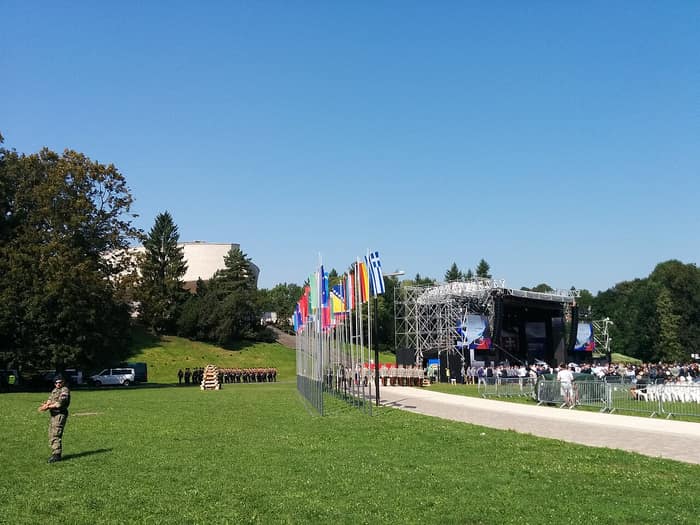
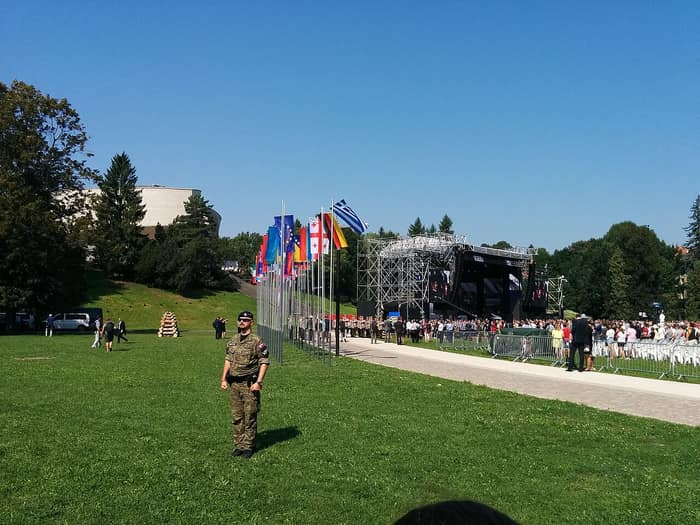
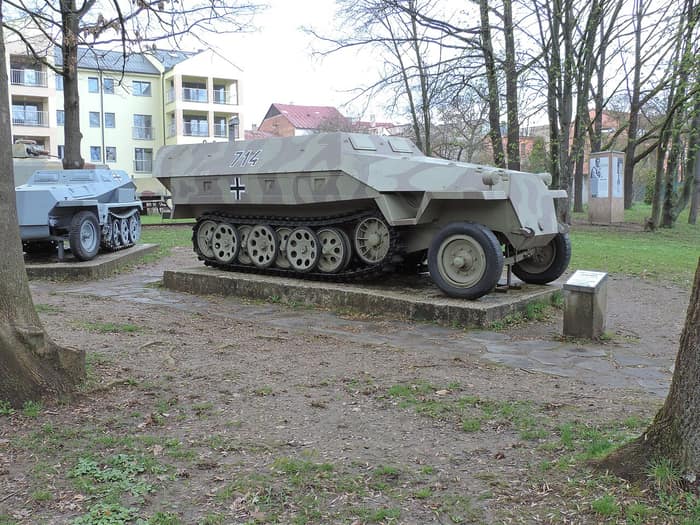
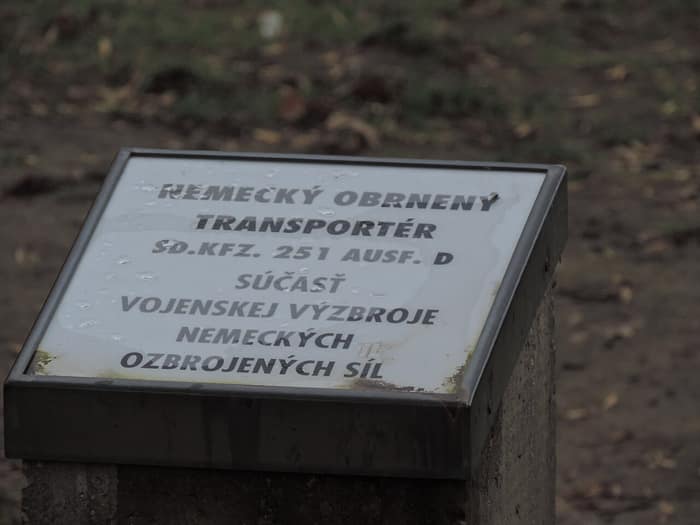
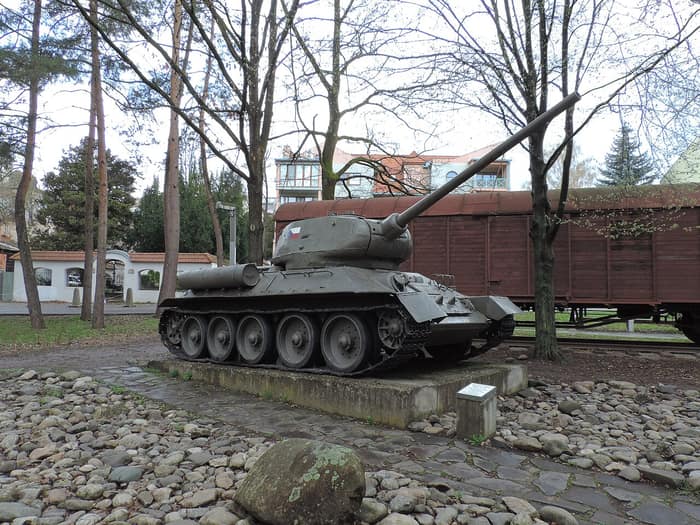
- The park around the building holds Czechoslovak, German and Russian military equipment, including a Li-2 aircraft that visitors can enter, and a partisan dugout.
- The museum looks after about 67,000 museum objects and more than 136,000 archive items, plus a library of around 20,000 volumes.
Tours near SNP Monument and Museum in Banská Bystrica
Experiences in the area that you can book online with Viator:

From Bratislava: Bojnice Castle, Čičmany & Banská Štiavnica Tour
See details ›
Private Trip to Unesco Town of Banská Štiavnica from Bratislava
See details ›
Private One Day Tour to the UNESCO Heritage Village and The High Tatras from Bratislava
See details ›
Private Magic Christmas Tour in Bojnice
See details ›Visiting the SNP Monument and Museum
- The entrance to the memorial hall leads up an open outdoor staircase; inside the hall stands the sculpture Victims Warn, and an eternal flame burns before a large sculpture in the courtyard between the two halves.
- The permanent exhibition covers the political, military and social events in Slovakia between 1918 and 1948, with weapons, personal belongings, photographs, documents and maps; temporary exhibitions are also held.
- Memorial plaques commemorate the victims of the Holocaust in Slovakia and of the Porajmos, and stone blocks carry the names of the places of the hardest battles.
- The park around the museum, with its tanks, guns and the aircraft, is part of the experience; allow time to walk through it.
- Check the current opening hours before you go. Banská Bystrica Castle lies close by, and the wooden articular church of Hronsek is about 10 km away.
Opening hours, access and conditions can change. Check before you go.
Map: where SNP Monument and Museum in Banská Bystrica is
Photos of SNP Monument and Museum in Banská Bystrica
Questions
What is the SNP Monument and Museum in Banská Bystrica?
It is a memorial and museum building completed in 1969 to the Slovak National Uprising of 1944, which began in Banská Bystrica. The museum documents the Slovak State of 1939–1945 and the antifascist resistance.
Who designed the monument?
The architect Dušan Kuzma designed it, working with the sculptor Jozef Jankovič. Its brutalist concrete form is said to echo the širák, the traditional shepherds' hat.
When was the museum founded?
The Museum of the Slovak National Uprising was founded on 8 May 1955, and it has been housed in the present building since 1969.
What can you see at the SNP Monument and Museum?
Inside there are weapons, personal belongings, photographs, documents and maps from the uprising, and the memorial hall with the sculpture Victims Warn. In the surrounding park stand military vehicles, guns and an aircraft that can be entered.
What happened to the sculpture Victims Warn?
The sculpture was removed in 1972 during the normalisation period and moved to the village of Kalište. It returned to the museum in 2004.
Are there other places connected with the museum?
Yes, the museum runs memorial branches in Nemecká, Kalište and Tokajík, villages where Nazi crimes took place in 1944–1945.
Also nearby
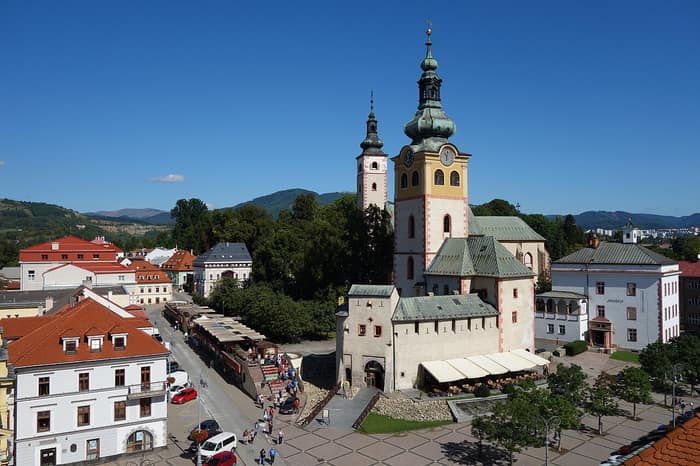
Banská Bystrica Castle
Banská Bystrica · walled church and barbican above the square
300 m away
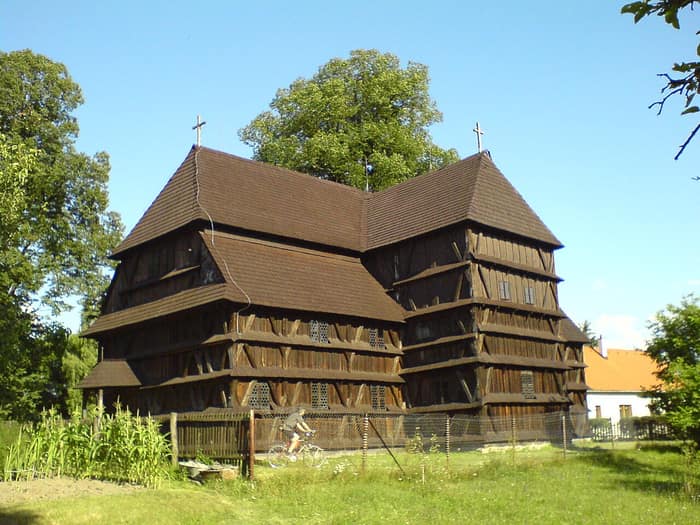
Wooden articular church of Hronsek
Hronsek · UNESCO Lutheran timber church built under the 1681 rules
9.5 km away
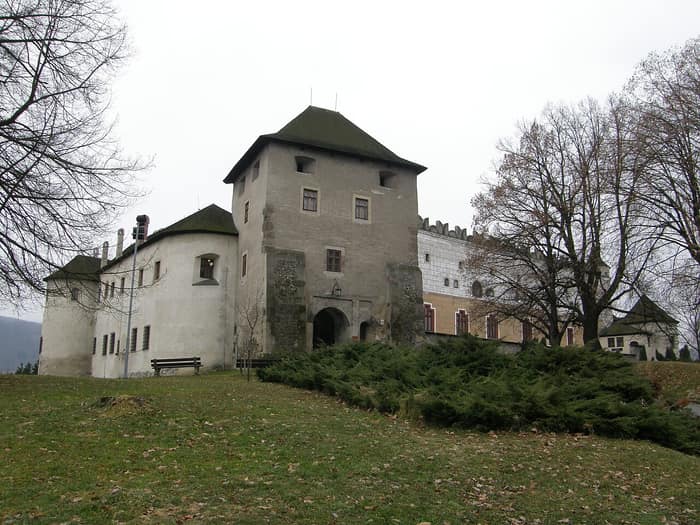
Zvolen Castle
Zvolen · Anjou hunting castle with a painted ceiling and Rubens
18 km away
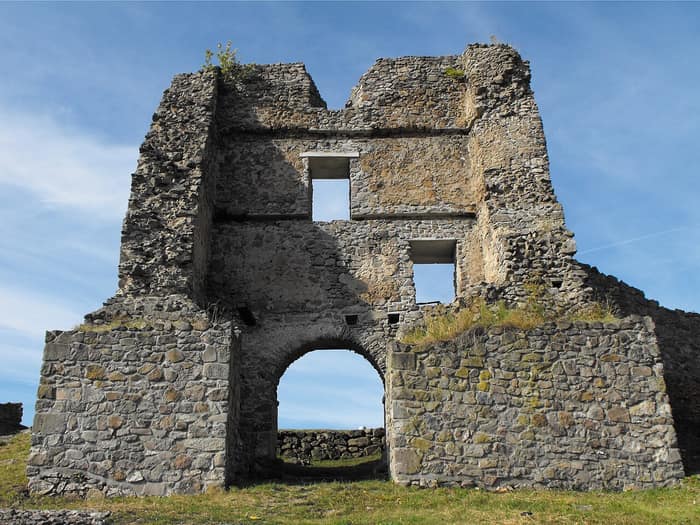
Pustý hrad
Zvolen · ruins of one of Europe's largest medieval castles
20 km away