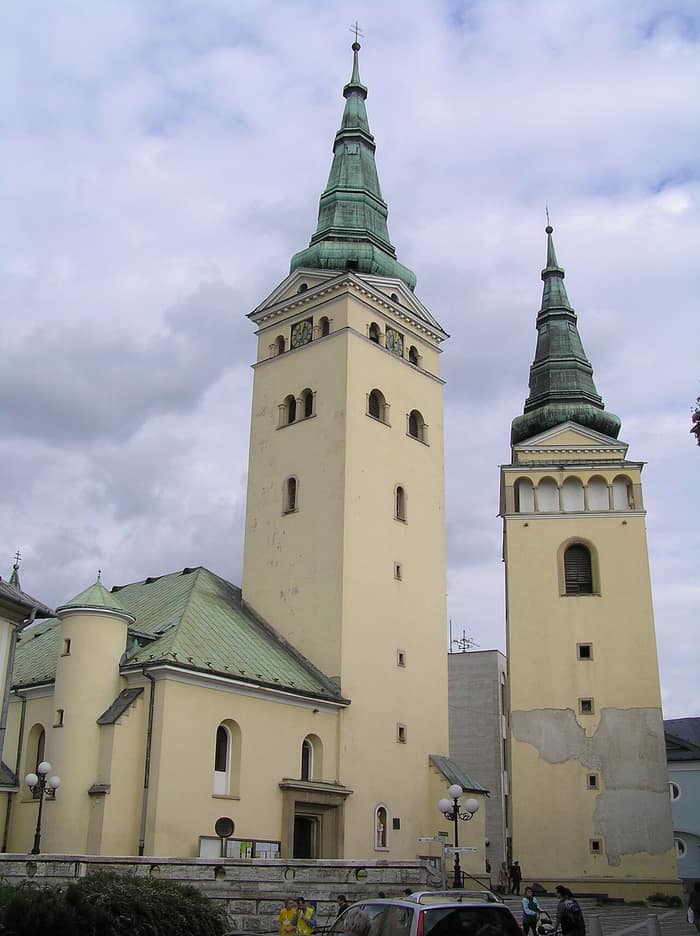
Holy Trinity Cathedral in Žilina: the church of the two towers
Holy Trinity Cathedral (Katedrála Najsvätejšej Trojice), known locally as the Farský kostol or parish church, stands on the eastern edge of the historic centre of Žilina, above Námestie Andreja Hlinku. Together with the neighbouring Burian's Tower it forms the best-known view of the town, and a small archaeological dig showed that the site holds the remains of several earlier churches.
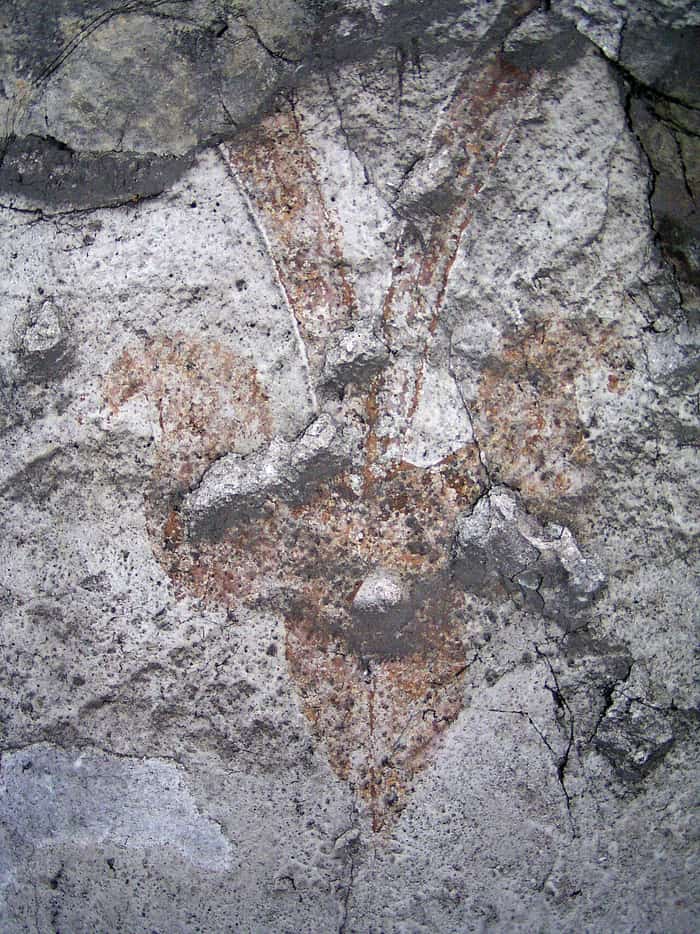
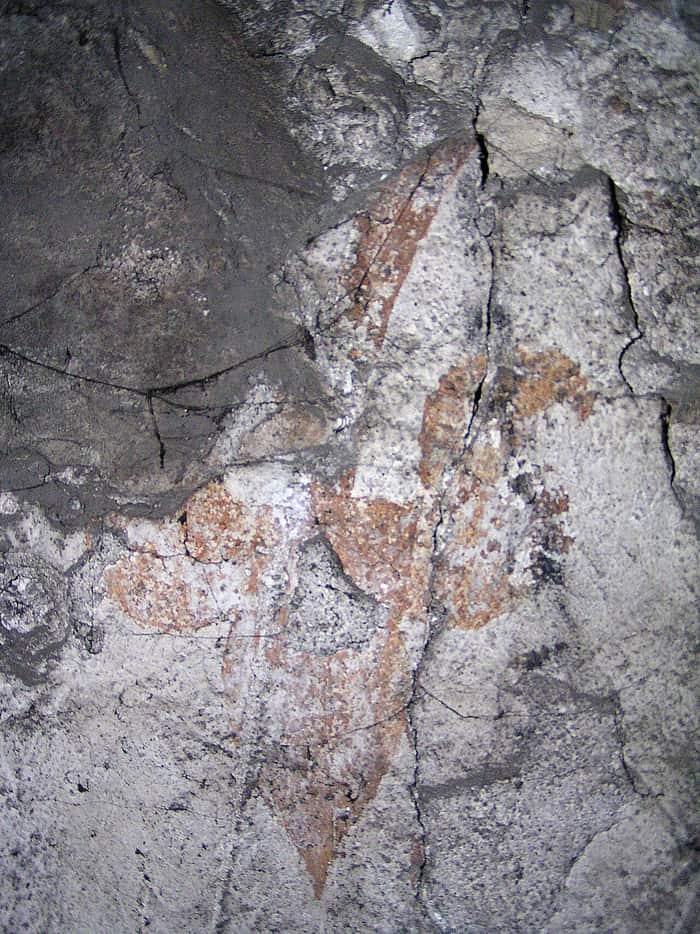
In 1848 the cross of this church fell through the burning roof into the crypts, where the coffins began to burn. Today its two towers are the symbol of Žilina, and lilies painted in the Anjou era survive on the sanctuary wall.
The history of Holy Trinity Cathedral in Žilina
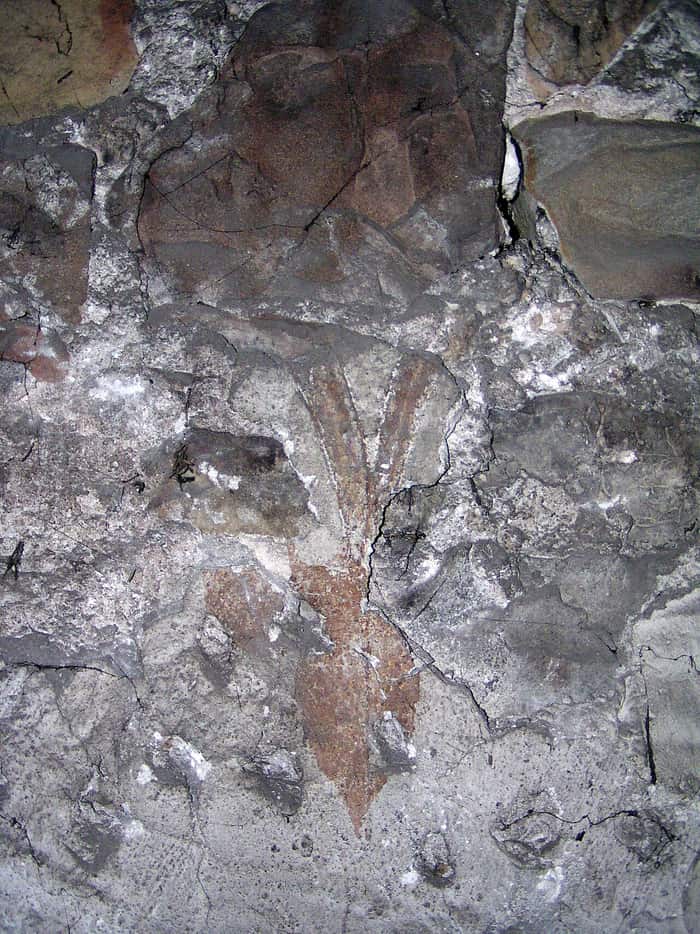
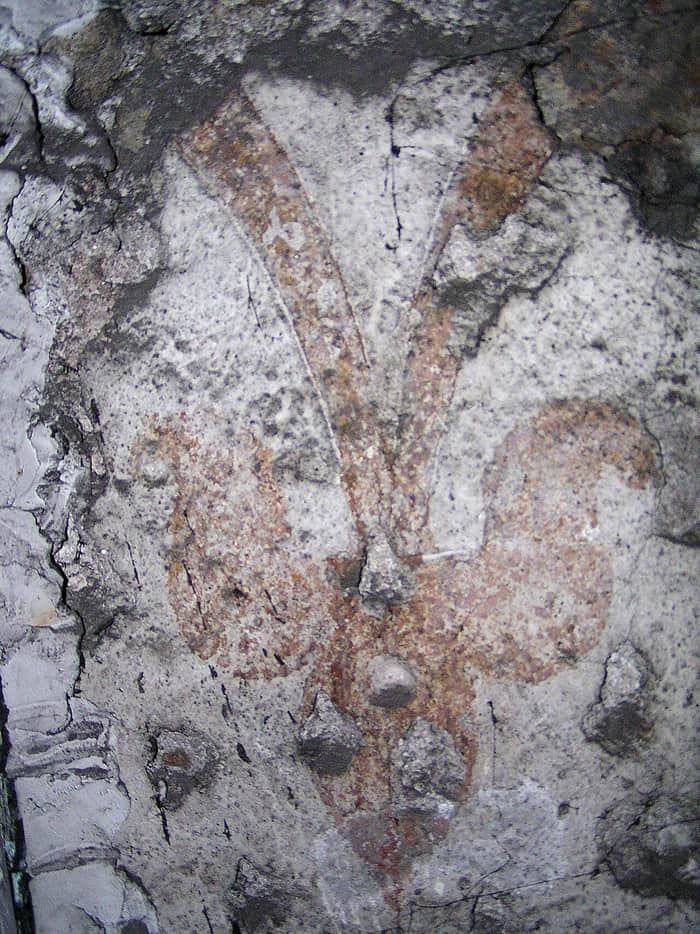
The church stands on the eastern edge of the old town, and its oldest chapter was only recovered by archaeology. A small trench south of the sanctuary, opened in 2000 and 2001, measured just 5.5 by 11 metres, yet it exposed the foundations of earlier churches. They suggest a single-nave church with a rectangular sanctuary in the middle of the 13th century, later widened and given a semicircular apse after 1300, when Žilina was already a town (first documented as one in 1312) and German settlers from Těšín had settled there. The present three-nave basilica with its polygonal presbytery probably stood by the 14th century, and the lilies painted on the north wall of the sanctuary are dated to the era of the Anjou kings, between 1308 and 1387. The first written mention of the church dates from 1400.
In 1423 it is recorded as a church dedicated to the Virgin Mary. Around 1530 the owner of the town, Burian Světlovský of Vlčnov, had a defensive tower built beside it; Rafael Podmanický finished it in 1540 and it was first called the New Tower. In the middle of the 16th century the armed men of the robber knights Ján Podmanický and his brother Rafael twice occupied and burned Žilina and turned the church into a fortress. Later the town's owner, Mikuláš Dersffy, had it rebuilt for worship, and Bishop Zachariáš Rohožník-Mošovský of Nitra consecrated it, now as the Church of the Holy Trinity.
A fire in 1678 destroyed the church completely, and even the bells of the New Tower melted. Palatine Pavol Esterházy, the local landowner, had it restored in 1687, and in 1690 the Jesuits began another restoration. The chapel of St John of Nepomuk was added on the west side in 1762, mainly to hold the Holy Sepulchre, and at that time both towers received the same Baroque roofs.
The worst blow came on 21 June 1848, when a huge fire destroyed almost all of Žilina. The roof, both towers and the entire interior of the church burned; the cross fell from the tower through the roof and vault into the crypts, where coffins began to burn, and the three largest bells of the New Tower melted. An earthquake on 15 January 1858 completed the destruction. The church was rebuilt under the dean Andrej Lemeš to plans by the painter and naturalist Jozef Božetech Klemens, who also painted the altar pictures that are still there. Another fire in 1886 took the new roof, and in 1888 both towers were roofed again. The tower acquired its present character in 1890 and was named Burian's Tower after its biggest bell, which weighed 2,336 kg.
In August 1917 the bells of the tower were requisitioned for war material, and in 1924 it received six new ones, blessed by Andrej Hlinka on 15 August. A new Rieger organ arrived in 1936, a marble statue of St Anne by Fraňo Štefunko was placed on the façade in 1941, and the tower was altered in 1941 and 1942 with a new walkway. The last major reconstruction of the church dates from 1942. Since February 2008 the church has been the cathedral of the Diocese of Žilina.
Curiosities about Holy Trinity Cathedral
- During the fire of 1848 the cross of the church tower fell through the roof and vault into the crypts, where coffins began to burn.
- Burian's Tower owes its name to its largest bell, which weighed 2,336 kg; the name stuck after the rebuilding of 1890.
- Fleur-de-lis motifs, the so-called Anjou lilies, are painted on the north wall of the sanctuary about 50 cm below the top of the wall, probably in the era of the Anjou kings (1308 to 1387).
- After the fire and earthquake of the 1850s, a statue of the Virgin Mary was saved and taken to Višňové, where it stayed. The people of Žilina still make a pilgrimage to this former statue of theirs every year.
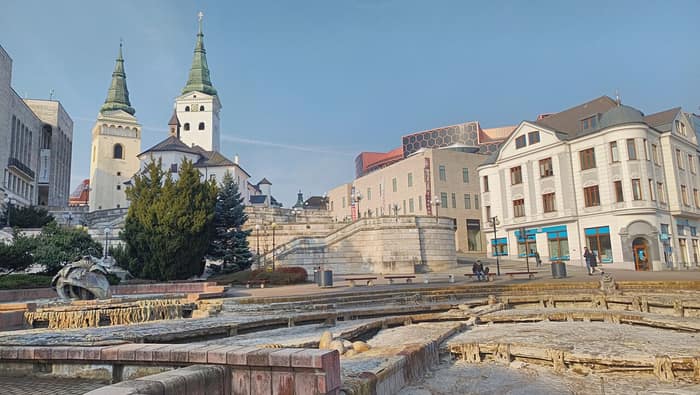
- The view of the two towers from Námestie Andreja Hlinku is the most typical image of Žilina and appeared on a postage stamp in 1997.
- The 2000 to 2001 excavation covered only a trench of 5.5 by 11 metres, yet it found 63 graves dated by coins from the early 17th to the late 18th century.
Tours near Holy Trinity Cathedral, Žilina
Experiences in the area that you can book online with Viator:




Visiting Holy Trinity Cathedral in Žilina
- The classic view of the church and Burian's Tower together is from Námestie Andreja Hlinku, the square below the hill.
- Burian's Tower is 46 m high and serves as the bell tower; its bells ring three times a day and before services. A walkway was built in 1941 and the tower is said to offer a good view of the preserved medieval part of the town; check locally whether it can be climbed.
- Inside, the main altar picture shows the Holy Trinity, painted by Jozef Božetech Klemens in 1870, and a statue of St Anne by Fraňo Štefunko stands near the entrance.
- Below the church a sculpture group of Saints Cyril and Methodius by Ladislav Berák was unveiled in 2000. Check the current opening hours before you go.
- Other places on this site nearby include Budatín Castle (about 1 km), Lietava Castle (8 km) and Strečno Castle (10 km).
Opening hours, access and conditions can change. Check before you go.
Map: where Holy Trinity Cathedral, Žilina is
Photos of Holy Trinity Cathedral, Žilina
Questions
Where is Holy Trinity Cathedral in Žilina?
It stands on the eastern edge of the historic centre of Žilina, on Horný val street above Námestie Andreja Hlinku. Burian's Tower rises right next to it.
Is the Žilina parish church a cathedral?
Yes. The Church of the Holy Trinity has been the cathedral of the Diocese of Žilina since February 2008, and it is also the parish church, which is why locals still call it the Farský kostol.
How old is Holy Trinity Cathedral?
The first written mention dates from 1400, and the archaeological finds point to earlier churches on the site back to the middle of the 13th century. The present building is the result of many rebuildings after fires.
What is Burian's Tower?
It is a Renaissance tower next to the church, begun around 1530 by Burian Světlovský of Vlčnov as a fortification and now used as the bell tower. It is 46 m high and takes its name from its largest bell.
What happened to the church in 1848?
A great fire destroyed almost all of Žilina on 21 June 1848. The roof, both towers and the whole interior of the church burned down, and it was rebuilt afterwards to plans by Jozef Božetech Klemens.
What is special about the lilies in the church?
Fleur-de-lis motifs, known as Anjou lilies, are painted on the north wall of the sanctuary. They probably date from the time of the Anjou kings of Hungary, between 1308 and 1387.
Also nearby
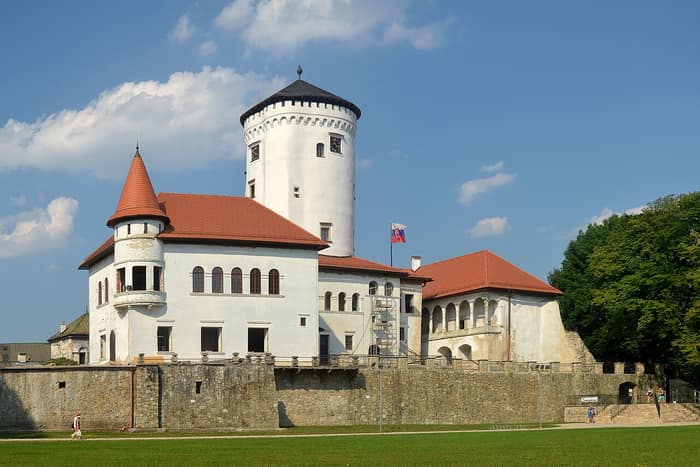
Budatín Castle
Žilina · round-tower castle where two rivers meet
1.5 km away
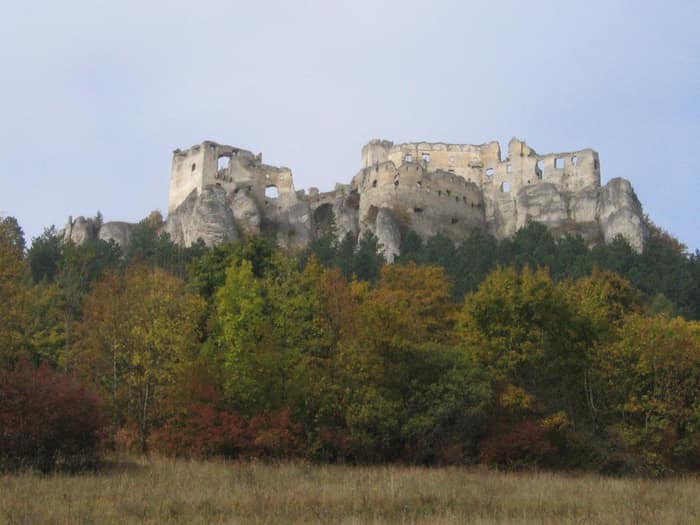
Lietava Castle
Lietava · huge ruin saved by volunteers, a short hike from Žilina
8 km away
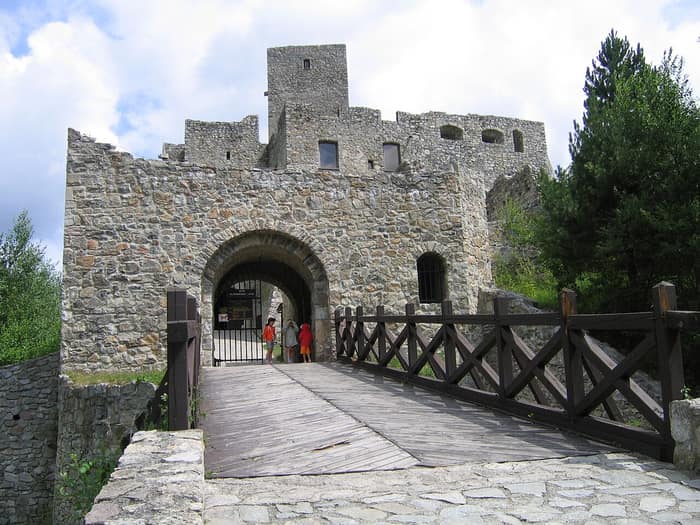
Strečno Castle
Strečno · cliff castle guarding the Váh gorge
10 km away
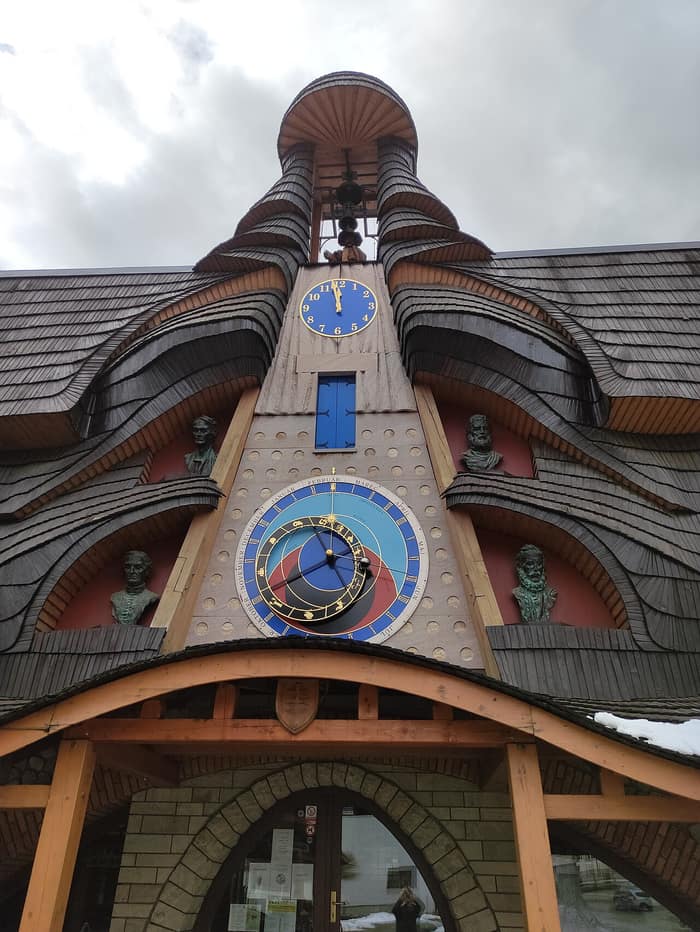
Slovak Astronomical Clock in Stará Bystrica
Stará Bystrica · Slovakia's only astronomical clock, carved in wood
20 km away