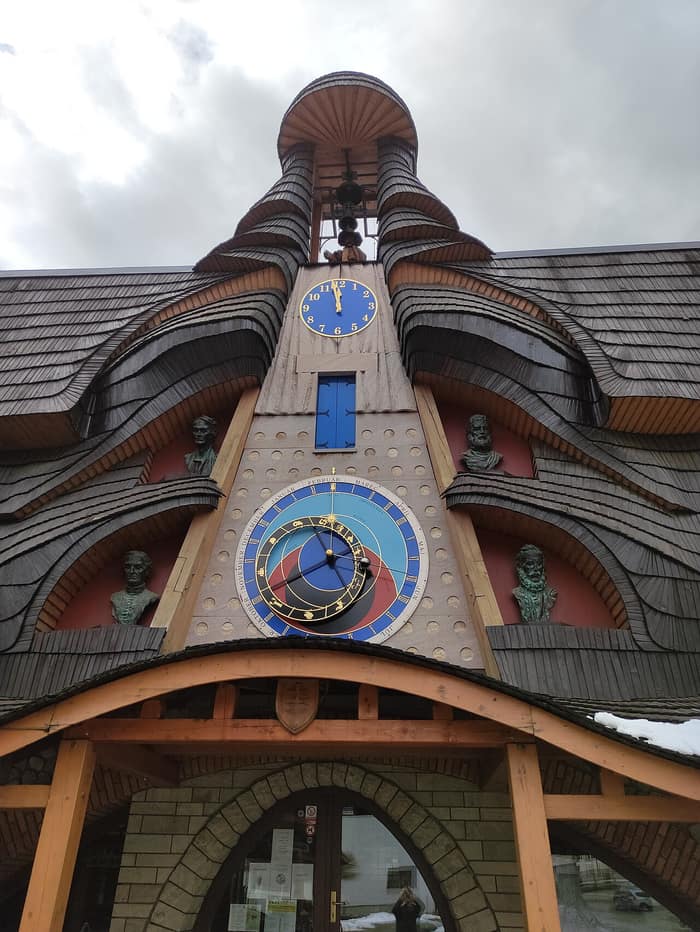
Slovak Astronomical Clock in Stará Bystrica: a wooden orloj
The Slovak Astronomical Clock (Slovenský orloj) stands on the square of Stará Bystrica, a village in the Kysuce region of northern Slovakia. Completed in 2009 and designed by sculptor Viliam Loviška, it is one of the youngest astronomical clocks in the world and the only one in the country, an unusual stop for anyone looking for things to do near Žilina.
A village square in the Kysuce hills holds the only astronomical clock in Slovakia, a carved wooden tower shaped like Our Lady of Sorrows and finished only in 2009.
The story of the Stará Bystrica clock
Stará Bystrica lies in the Kysuce region, in the valley of the Bystrica river where the Kysucké Beskydy meet the Kysucká vrchovina, about 20 km from Čadca and 35 km from Žilina. The village is indirectly mentioned for the first time in 1417, in a document of Bishop Hinko of Nitra that names a place called Stará Dedina, meaning old village. In the late 16th century the area was colonised by Wallachian settlers and belonged to the domain of Strečno Castle, later to Teplička. A first church, dedicated to St Michael, is recorded in 1667. In 1767 the village had an ironworks, iron ore was mined for a time, and there was also a brickworks. In the 19th century many inhabitants left because of great poverty and emigrated to the Banat, to Slavonia and overseas.
The village suffered badly in the final months of the Second World War. It was set on fire in October 1944 and again in April 1945 during the fighting, and in total about 150 houses were burned or destroyed. The neo-Gothic Church of St Michael, from 1892, and a Baroque-Classicist chapel from the 18th century are among the older buildings that give the village its character today.
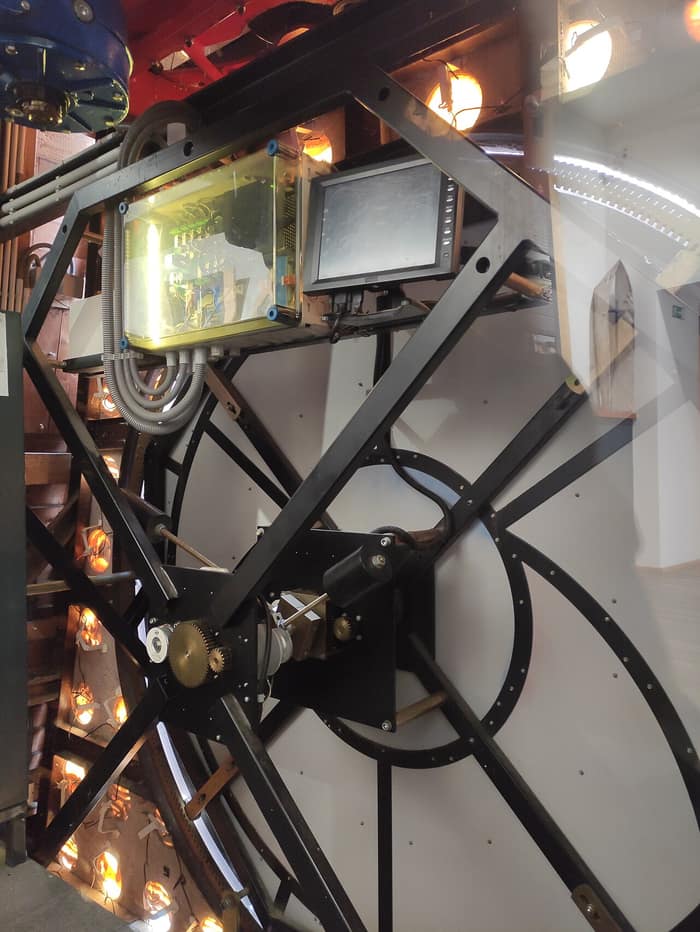
The clock belongs to a much newer chapter. As part of the reconstruction of the village square, Stará Bystrica built one of the youngest astronomical clocks in the world, designed by the Slovak sculptor Viliam Loviška and placed beside the side wall of the culture house. Its heart is the astrolabe, the dial with astronomical data, which is what makes an orloj a true orloj. The village turned to the Prague firm SPEL, whose masters spent about a year and a half developing and building it. The astronomical data are calculated for the geographical position of Stará Bystrica, so it is not a copy of any other clock. In 2009 the mechanism was lifted into the building by a crane, and the clock was launched and consecrated on 18 July 2009, making it the first astronomical clock in Slovakia.
After more than fifteen years of operation, the moving parts and electronic components were damaged and the mechanism needed a thorough service and reconfiguration. In 2025 the village therefore stopped the clock for renovation for the first time in its existence.
Curiosities about the Stará Bystrica clock
- It is the only astronomical clock in Slovakia, and the astrolabe is what makes it a true orloj.
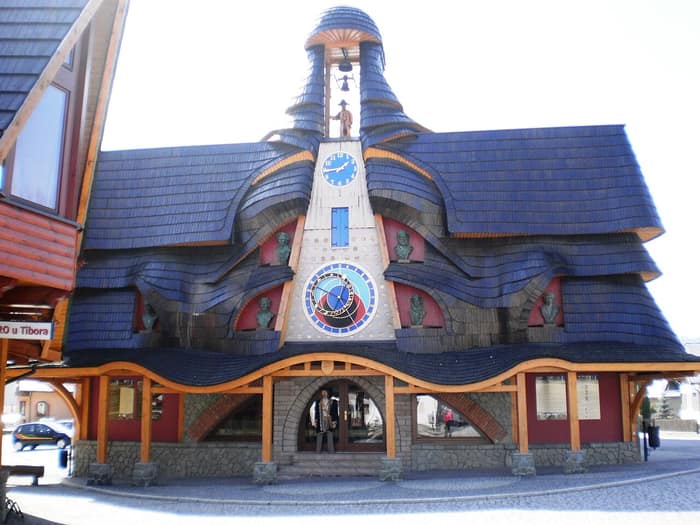
- The whole work has the shape of a stylised Our Lady of Sorrows, patron of Slovakia, and is described as the largest wooden statue in the country.
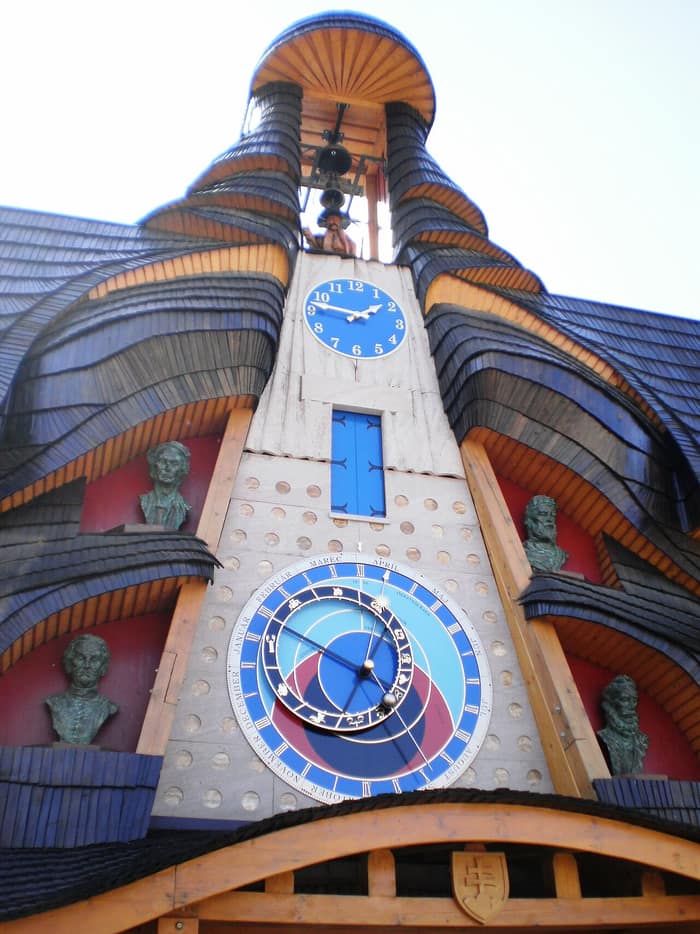
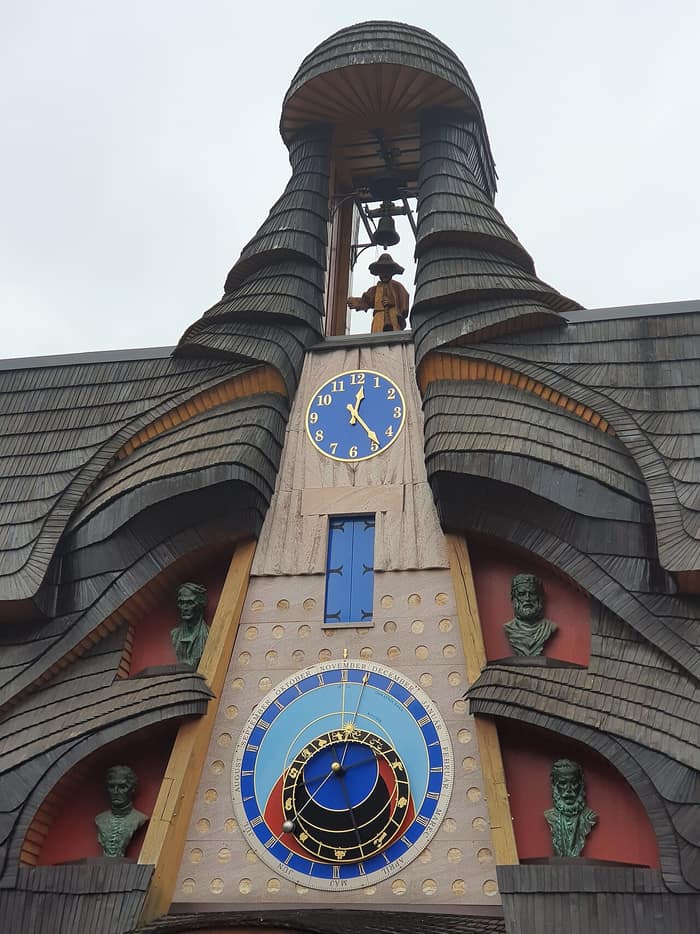
- Statues of Prince Pribina, King Svatopluk, Anton Bernolák, Ľudovít Štúr, Milan Rastislav Štefánik and Andrej Hlinka decorate the outside.
- Every hour figures of saints connected with Slovakia appear: Cyril, Methodius, Andrew-Zorard, Benedict, Gorazd, Bystrík and Adalbert.
- The two bells in the tower are named St George and Our Lady of Riečnica; the second commemorates the flooded villages of Riečnica and Harvelka.
- The clock is controlled by computer using the DCF77 time signal, and its astronomical part shows the zodiac signs, the positions of the Sun and Moon and the lunar phases.
Tours near Slovak Astronomical Clock in Stará Bystrica
Experiences in the area that you can book online with Viator:




Visiting the Slovak Astronomical Clock
- The clock stands beside the side wall of the culture house on the village square, so it is easy to combine with a short stroll round the centre and the neo-Gothic Church of St Michael.
- When it runs, figures of saints appear every hour and two bells sound, one striking the time and the other accompanying the procession.
- The clock was stopped for renovation in 2025; it is not known from the sources when it will run again, so check its current status before you go.
- The village is about 20 km from Čadca and 35 km from Žilina. Other places on this site nearby include Budatín Castle, the Church of the Holy Trinity in Žilina, Strečno Castle and Lietava Castle, all within about 28 km.
Opening hours, access and conditions can change. Check before you go.
Map: where Slovak Astronomical Clock in Stará Bystrica is
Photos of Slovak Astronomical Clock in Stará Bystrica

Questions
Where is the Slovak Astronomical Clock and how do you get there?
It stands on the village square of Stará Bystrica in the Kysuce region, about 20 km from Čadca and 35 km from Žilina. The village is reached by road 520.
Is it the only astronomical clock in Slovakia?
Yes. The Stará Bystrica clock is the only astronomical clock in Slovakia, and it was also the first.
When was the Slovak Astronomical Clock built?
It was completed in 2009 and launched and consecrated on 18 July 2009. The sculptor Viliam Loviška designed it, and the astrolabe was made by a Prague firm.
What happens every hour?
Figures of saints connected with Slovakia appear, among them Cyril, Methodius, Benedict and Gorazd, while one bell strikes the hour and a second accompanies the procession.
What does the clock look like?
It is a carved wooden tower in the form of a stylised Our Lady of Sorrows, patron of Slovakia, decorated with statues of famous figures from Slovak history.
Is the clock working now?
It was stopped for renovation in 2025, the first time since it started. Check the current status before you travel.
Also nearby
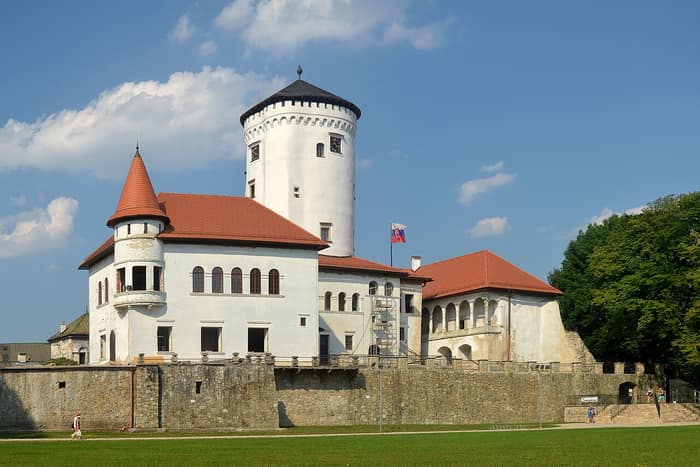
Budatín Castle
Žilina · round-tower castle where two rivers meet
19 km away
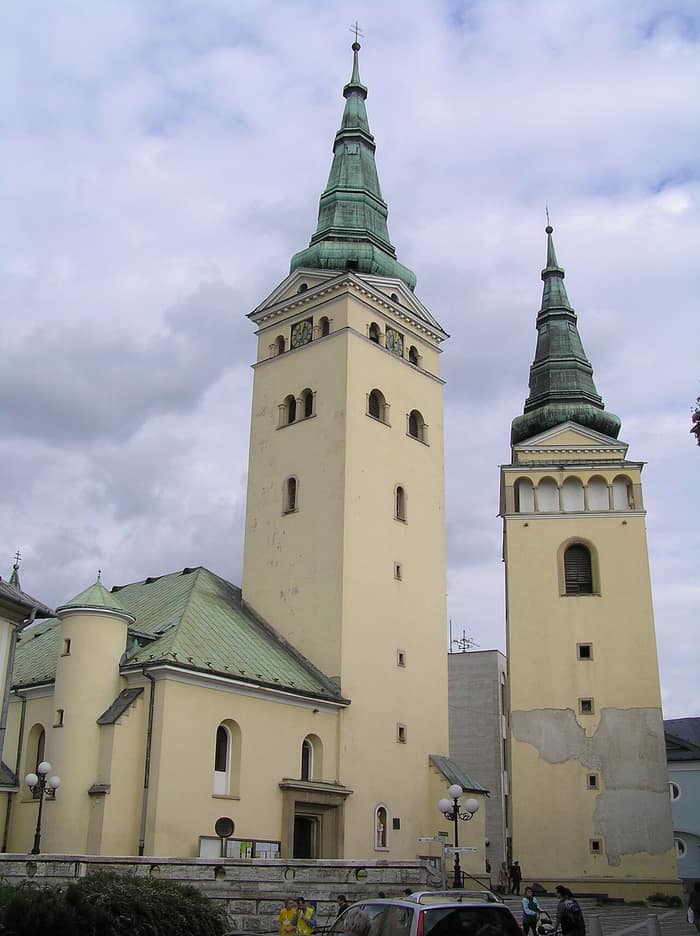
Holy Trinity Cathedral, Žilina
Žilina · the twin-towered landmark, burnt and rebuilt
20 km away
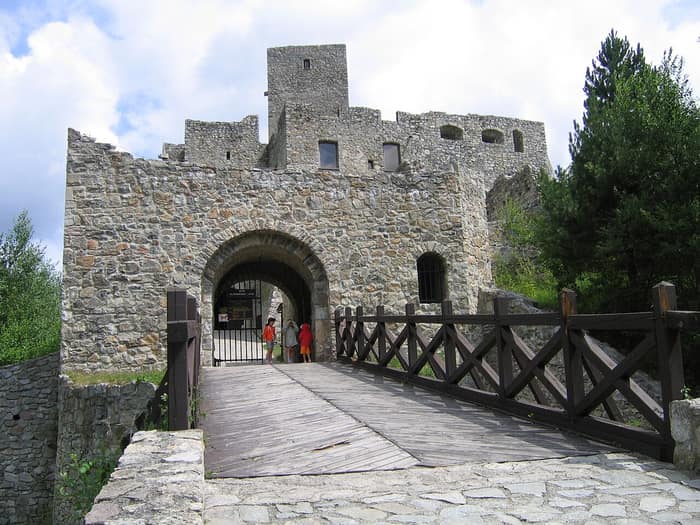
Strečno Castle
Strečno · cliff castle guarding the Váh gorge
20 km away
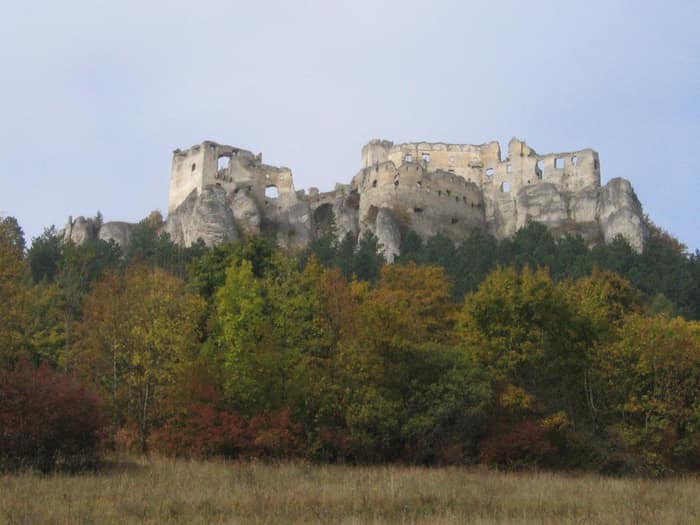
Lietava Castle
Lietava · huge ruin saved by volunteers, a short hike from Žilina
28 km away