Plague Chapel of St Rosalie: a Baroque votive chapel in Košice
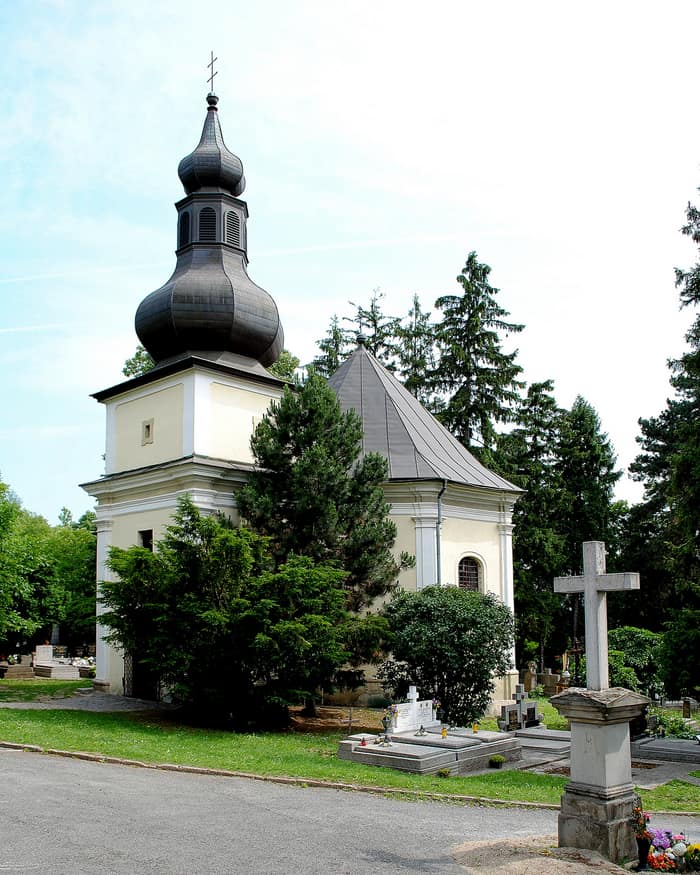
The Plague Chapel of St Rosalie (Morová kaplnka sv. Rozálie) stands in the Rosalia cemetery in the Košice-Sever district, at the foot of the hill known as Červený breh. Built in 1714–1715 as a memorial to a plague epidemic, this small octagonal Baroque chapel is a quiet, atmospheric detour from the busy historic centre of eastern Slovakia's biggest city.
When plague swept through Košice in the early 1700s, the city answered with a chapel for St Rosalie, patron against epidemics. Three centuries later, a relic of the saint arrived during Covid.
The history of the Plague Chapel of St Rosalie
In the first decade of the 18th century Košice was struck by a severe plague epidemic. The sources give slightly different years, roughly between 1707 and 1711, and Polish Wikipedia adds that about half of the townspeople died. As early as 1710 the town council decided to build a chapel in memory of the victims. As patron the builders chose St Rosalie, a hermit saint born, according to tradition, into a princely family, who is venerated as a protector against plague. The Polish source credits the Jesuits with the initiative.
Construction began on 18 June 1714 at the foot of the hill called Červený breh, next to the cemetery. The work was overseen by the guild master Tamás Tornyossy, with J. Goresch also named among the authors, while the interior decoration was entrusted to the sculptor Ján Ernest Widman and to Hans Gönnerth. The chapel was consecrated in 1715. Some years later, in 1730, a hermitage dedicated to St Ladislaus was added for the brothers who looked after the chapel and the grounds. In 1762 Pope Clement XIII granted the chapel indulgences, and Bishop Károly Esterházy fixed the feast of St Rosalie, 4 September, or the Sunday after it as the pilgrimage day.
The oldest mention of burials around the chapel dates from 6 October 1764. In 1765 the roof was repaired, the walls repainted and two bells blessed. In 1807 the army took over the building and used it as a gunpowder store, then as a field hospital and a granary, until it returned to the city in 1819 and was consecrated again. A repair followed in 1820. A major reconstruction came in 1898 under the architect Ján Balogh, who rebuilt the tower, added a new staircase and created a chapel of the Holy Sepulchre, today dedicated to Our Lady of Lourdes. The interior was renewed and completed at the same time.
In 1916 one of the tower bells was melted down for war purposes. The chapel was first looked after by hermits; later wealthier Košice families took it under their care and chose the surrounding cemetery as their burial ground. Today the chapel serves mainly for funeral ceremonies, and a memorial mass for the dead is held there on All Saints' Day. On 6 September 2020, during the Covid-19 pandemic, a relic of St Rosalie was placed in the chapel, a modern echo of the reason it was built.
Curiosities about the Plague Chapel of St Rosalie
- The chapel is a votive building: the town council decided on it in 1710, while the epidemic was still fresh in memory, and building work began in 1714.
- St Rosalie is usually shown asleep in a cave surrounded by blooming roses. Here a Baroque figure of the reclining saint lies in a glazed niche in the altar table.
- The ceiling painting shows God protecting the Earth, and traces of the original early 18th-century wall painting can still be seen on the walls.
- The altar is flanked by figures of St Roch and St Sebastian, both traditional plague protectors, and a seated figure in a tree hollow is said to represent the hermit of Zobor.
- For some time the building served the army: in 1807 it became a gunpowder store, then a field hospital and a granary, before returning to the city in 1819.
- The chapel is surrounded by a cemetery of about three hectares with roughly two thousand gravestones, many of them historic.
Tours near Plague Chapel of St Rosalie
Experiences in the area that you can book online with Viator:


Visiting the Plague Chapel of St Rosalie
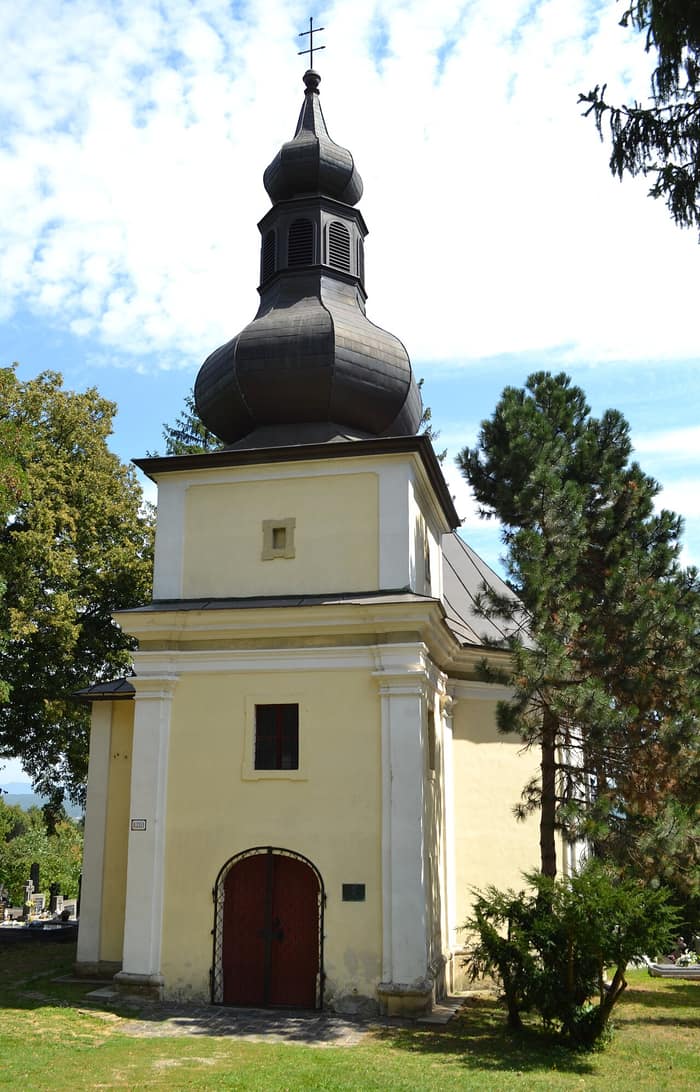
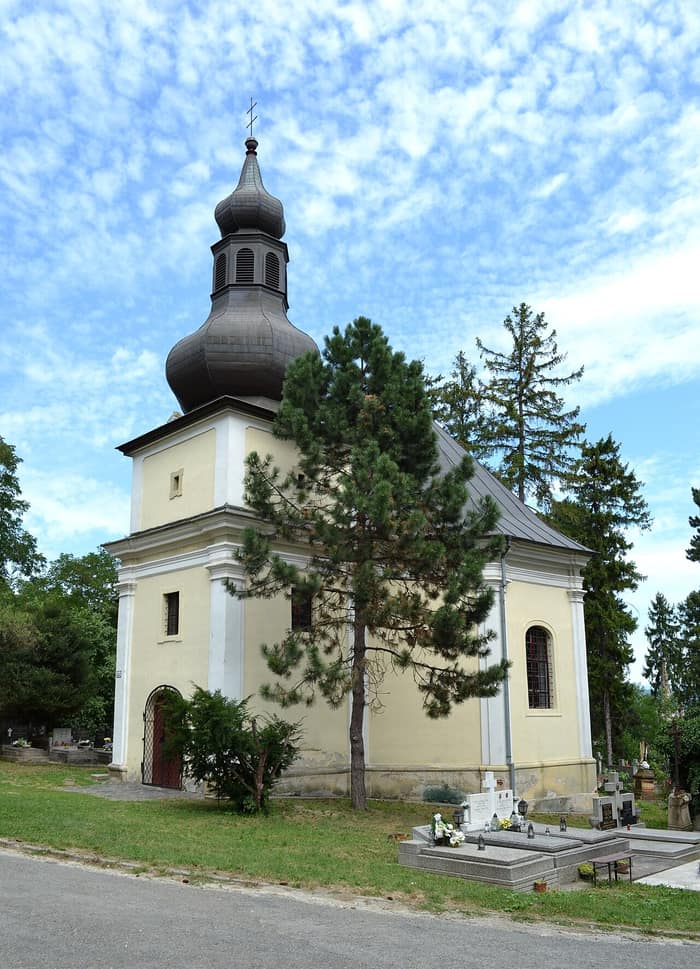
- The chapel is a compact octagon with a low two-storey tower on the west side; the ground floor of the tower forms the entrance porch and the upper floor holds the gallery. The tower ends in an onion-shaped helm.
- Inside, look for the main altar with the Madonna, the reclining figure of St Rosalie in her glazed niche, the saints Roch and Sebastian and the ceiling painting of God protecting the Earth.
- The chapel stands in an active cemetery, so visitors should be quiet and respectful, especially during funerals and around All Saints' Day. Check the current opening hours before you go.
- From here you can combine the visit with other Košice monuments on this site, such as St Urban Tower, St Michael Chapel, the Archbishop's Palace and the Church of Virgin Mary's Birth, all about 2 km away.
Opening hours, access and conditions can change. Check before you go.
Map: where Plague Chapel of St Rosalie is
Photos of Plague Chapel of St Rosalie


Questions
Where is the Plague Chapel of St Rosalie?
It stands in the Rosalia cemetery in the Košice-Sever district of Košice, at the foot of the hill known as Červený breh.
Why was the Plague Chapel of St Rosalie built?
It was built in 1714–1715 as a memorial to the victims of a plague epidemic that struck Košice in the early 18th century. St Rosalie was chosen as patron because she is invoked against plague.
What does the chapel look like?
It is a Baroque chapel on a regular octagonal plan with a low west tower that holds the entrance and a gallery. Inside are a main altar, a reclining figure of St Rosalie and a ceiling painting of God protecting the Earth.
Who was St Rosalie?
St Rosalie was a hermit saint who left a wealthy family to live in solitude and died, according to the sources, on 4 September 1166. She is venerated as a protector against plague.
Is the chapel still in use?
Yes. It serves mainly for funeral ceremonies, and a memorial mass for the departed is held on All Saints' Day. A pilgrimage day was fixed in the 18th century for the feast of St Rosalie on 4 September or the following Sunday.
Who restored the chapel in 1898?
The reconstruction of 1898 was led by Ján Balogh. The tower was rebuilt, a new staircase added and the interior renewed and completed.
Also nearby
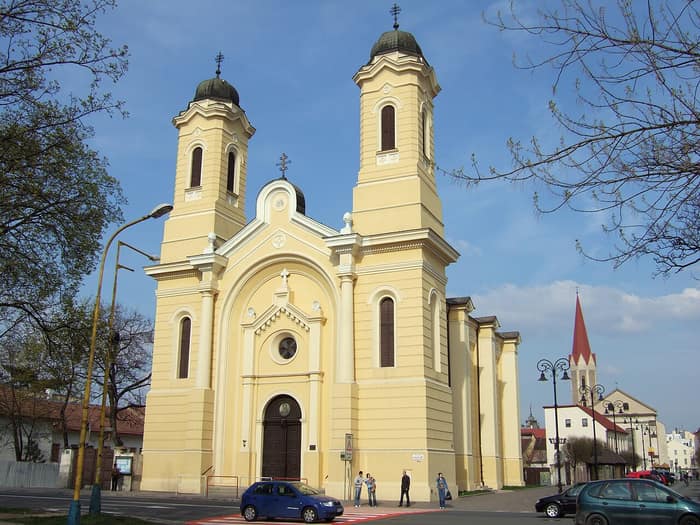
Church of Virgin Mary's Birth
Košice · Neo-Romanesque cathedral that was once taken from its flock
2 km away
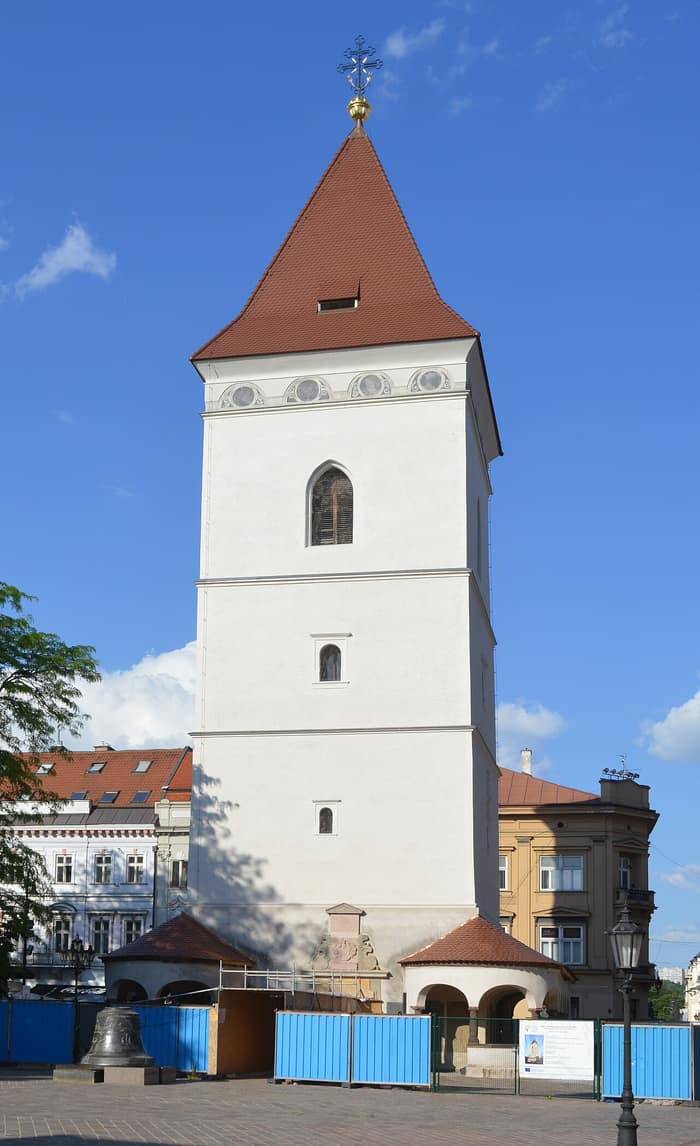
St. Urban Tower
Košice · bell tower with a bell that survived a fire
2.5 km away
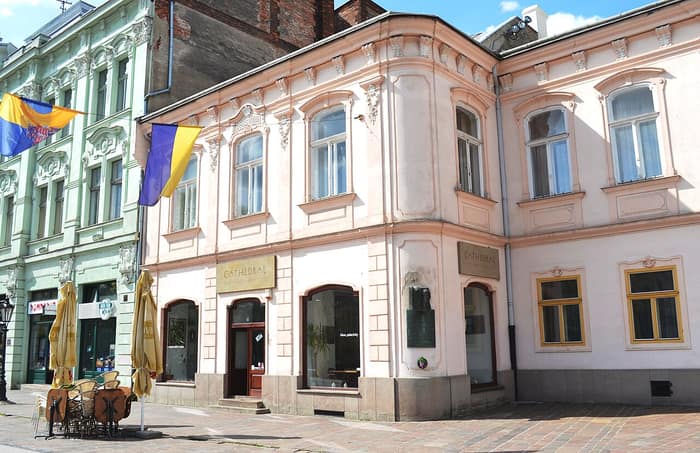
Archbishop's Palace, Košice
Košice · rococo palace where an emperor once lodged
2.5 km away
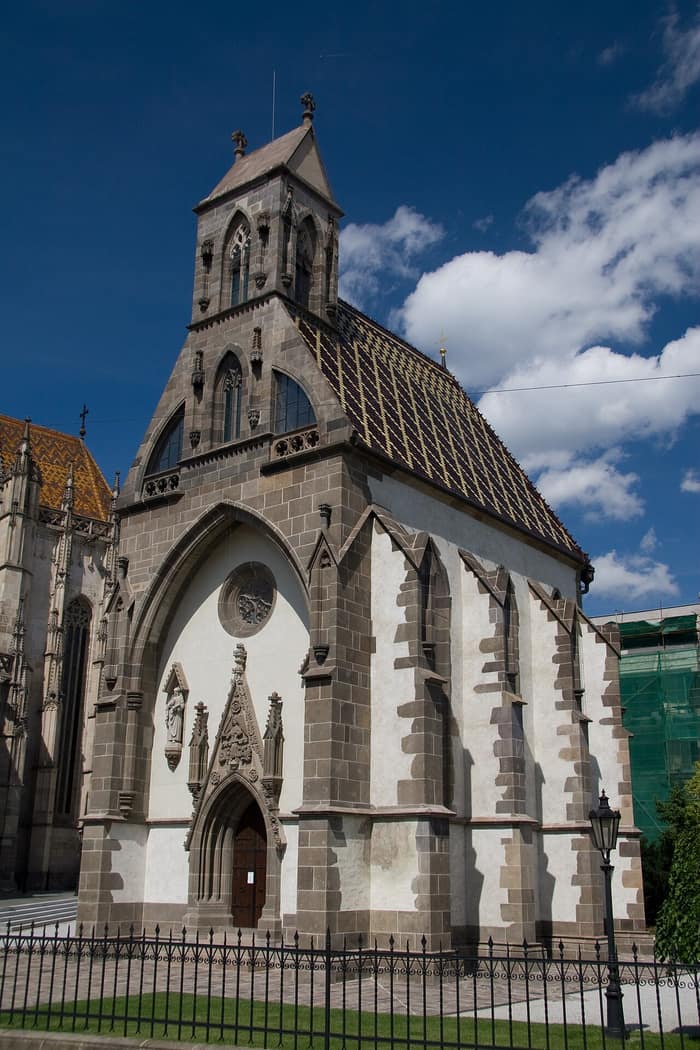
St Michael's Chapel, Košice
Košice · Gothic cemetery chapel with a medieval ossuary
2.5 km away