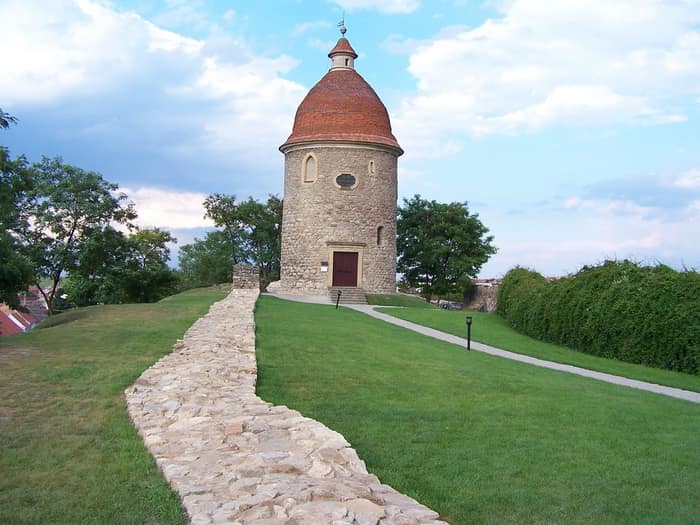
Rotunda of St George in Skalica: the town's oldest monument
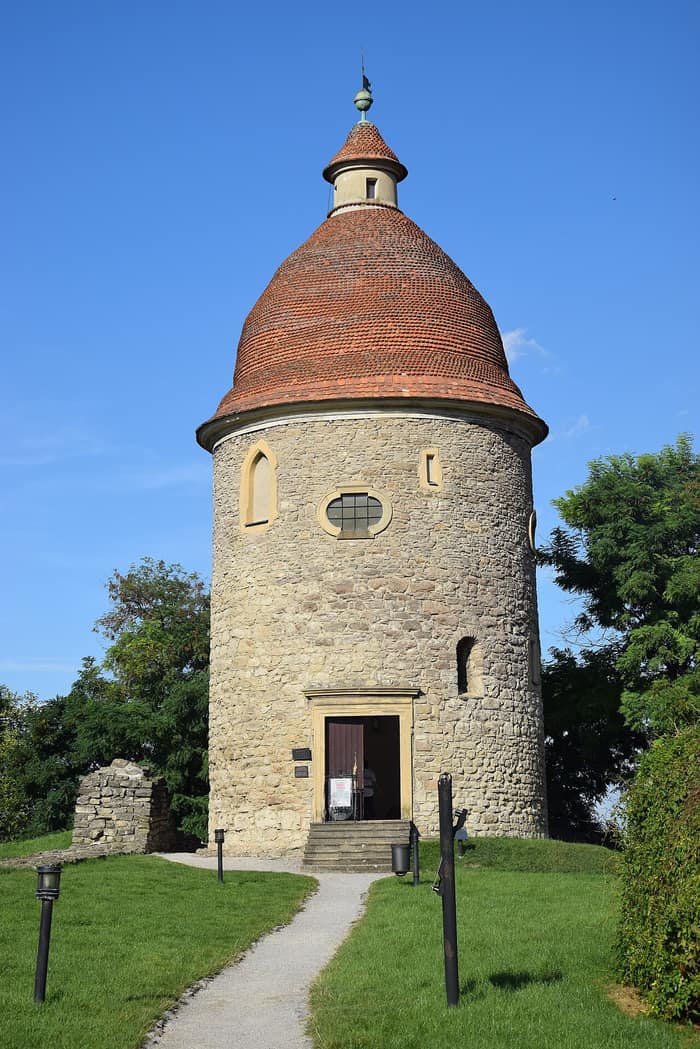
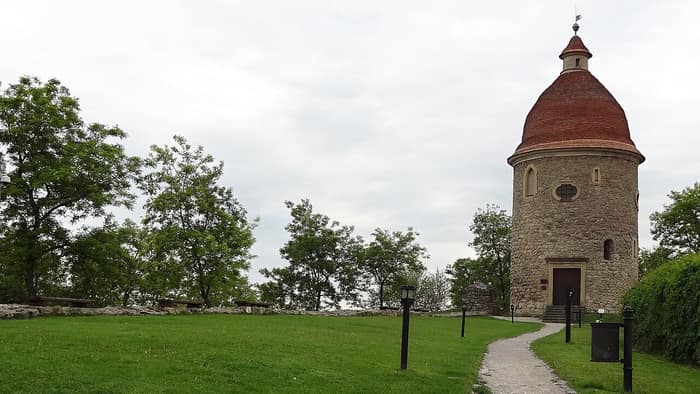
The Rotunda of St George (Rotunda svätého Juraja) stands in Skalica in western Slovakia and is the town's oldest historic and architectural monument and its symbol. Built in the early Romanesque style, probably in the 11th century, it was later given Gothic and Baroque touches and shelters rare late 15th-century wall paintings.
Its walls and horseshoe apse match, down to the size, a rotunda in Ducové, and a frescoed St George fighting a dragon was only discovered here in 1945.
The history of the Rotunda of St George
The Rotunda of St George is the oldest historical and architectural monument in Skalica. Field inspections and archaeological research carried out here in 1974 and 1976–1980 showed that it was built in the early Middle Ages: the width of its walls, the circular nave and the horseshoe-shaped apse are identical in size to those of the rotunda in Ducové. Its exact date is not known. The architecture follows the type of Bohemian and Moravian rotundas, and together with historical circumstances this suggests the end of the 10th or the beginning of the 11th century.
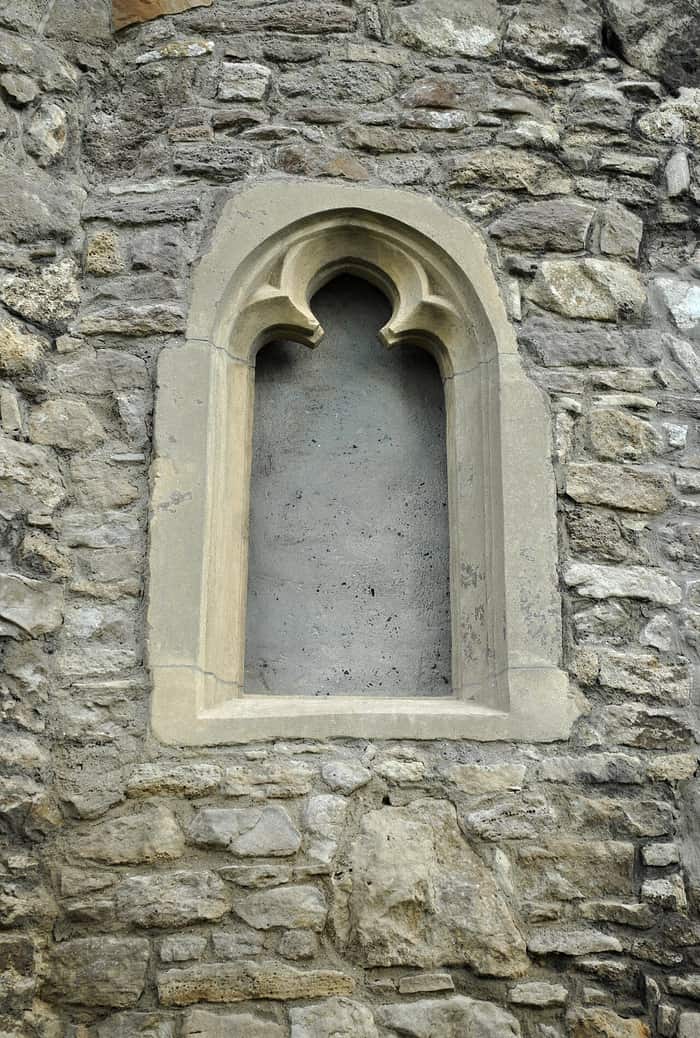
It was built as a small church for use as a chapel, serving as a private church with a small burial area. It is a central circular building extended by a horseshoe-shaped apse. The masonry consists of smaller sandstone blocks, and the outside of the apse still shows traces of two Romanesque windows. Originally the rotunda was lower and had a flat roof.
A turning point came in 1372, when King Louis I raised Skalica to a free royal city with the right to build walls. The walls formed one of the town's lines of defence, and a water-filled moat formed the second. When the moat was dug, the hill on which the rotunda stood was cut through, creating two separate hills. After the walls were completed the rotunda was raised above them, and the difference is visible in the smaller size of the stones in the added part. The lower part continued as a chapel while the upper part had a defensive function.
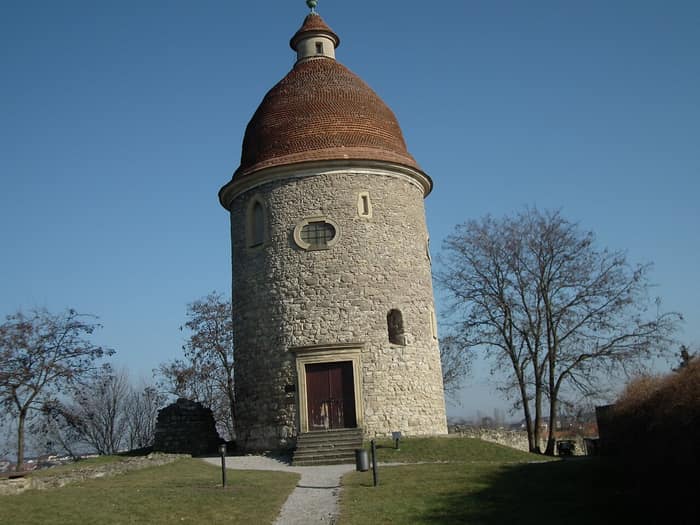
In 1650 a Baroque dome with a lantern was built and a crypt was added in the middle of the rotunda. The building was damaged in 1945 in fighting at the end of the Second World War and repaired in 1949, when it took on its present look by having its outer plaster removed. After it was declared a national cultural monument in 1970, archaeological, restoration and art-historical research was carried out. The wall frescoes were restored in 1996, and the dome was reconstructed in 2017.
Curiosities about the Rotunda of St George
- The rotunda is regarded as a symbol of Skalica, and in 2002 the Slovak Post issued a stamp showing it.
- Its wall thickness, circular nave and horseshoe apse are identical in size to those of the rotunda in Ducové.
- The wall paintings, discovered only in 1945, show two scenes from the legend of St George fighting the dragon, complemented by coats of arms. It is still unclear whether the paintings once covered the entire circumference or just these scenes, the first and the last of the legend.
- When the moat was dug in the 14th century, the hill with the rotunda was cut in two.
- Under the rotunda there are crypts that have been explored but are not open to the public.
- The building served both as a chapel in its lower part and as a defensive tower in its upper part once it was raised after the town walls were built.
Tours near Rotunda of St George in Skalica
Experiences in the area that you can book online with Viator:


Visiting the Rotunda of St George
- Look at the round building with its Baroque dome and lantern, the original Romanesque apse and the traces of two Romanesque windows on its outer side.
- Inside are the rare late 15th-century wall paintings with scenes from the legend of St George and the dragon.
- Since 2002 the Záhorie Museum in Skalica has run a permanent exhibition in the rotunda on the monument and its architectural development.
- The crypts under the rotunda are not open to the public. Check the current opening hours before you go.
- Nearby places on this site include the Holíč sanctuary, about 6 km away, and the Church of St Margaret of Antioch, about 10 km away.
Opening hours, access and conditions can change. Check before you go.
Map: where Rotunda of St George in Skalica is
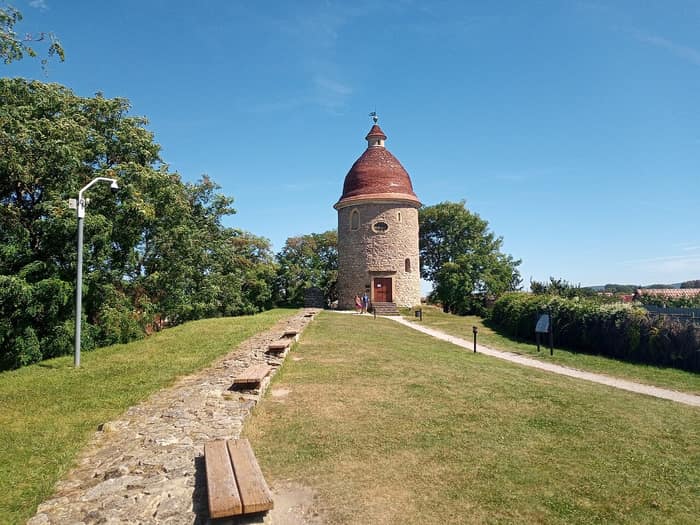
Photos of Rotunda of St George in Skalica
Questions
Where is the Rotunda of St George in Skalica?
The rotunda stands in the town of Skalica in western Slovakia, close to the line of the old town walls.
How old is the Rotunda of St George?
It was built in the early Romanesque style, probably in the 11th century, though comparison with Bohemian and Moravian rotundas suggests the end of the 10th or the beginning of the 11th century.
What can you see inside the rotunda?
Rare late 15th-century wall paintings with two scenes from the legend of St George and the dragon, complemented by coats of arms, and a permanent exhibition by the Záhorie Museum.
Why is it a symbol of Skalica?
It is the oldest historical and architectural monument in the town and is considered a symbol of Skalica.
What happened to the rotunda in the 20th century?
It was damaged in 1945 and repaired in 1949, when the outer plaster was removed. It was declared a national cultural monument in 1970, and its frescoes were restored in 1996.
Is the crypt open to visitors?
No. The crypts under the rotunda have been explored but are not open to the public.
Also nearby
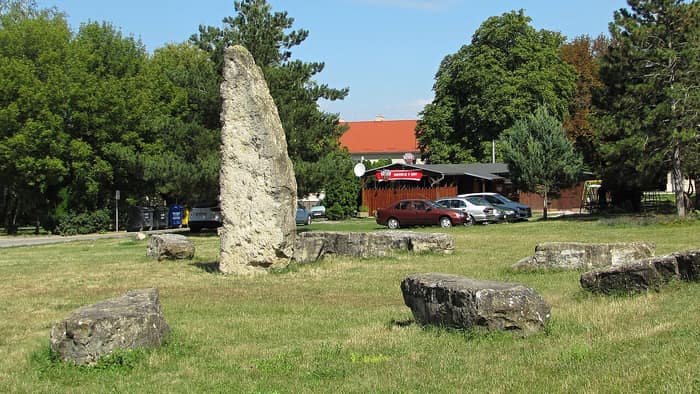
Holíč Sanctuary
Holíč · prehistoric menhirs nicknamed the Slovak Stonehenge
6.5 km away
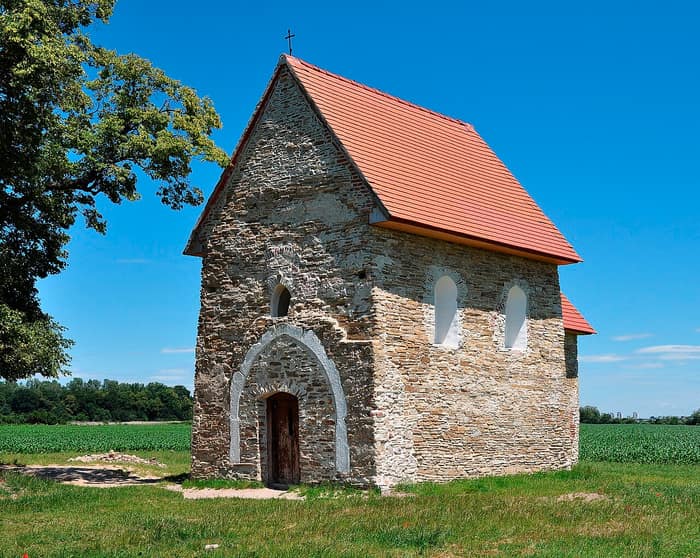
Church of St Margaret of Antioch, Kopčany
Kopčany · tiny pre-Romanesque church from Great Moravia
10 km away
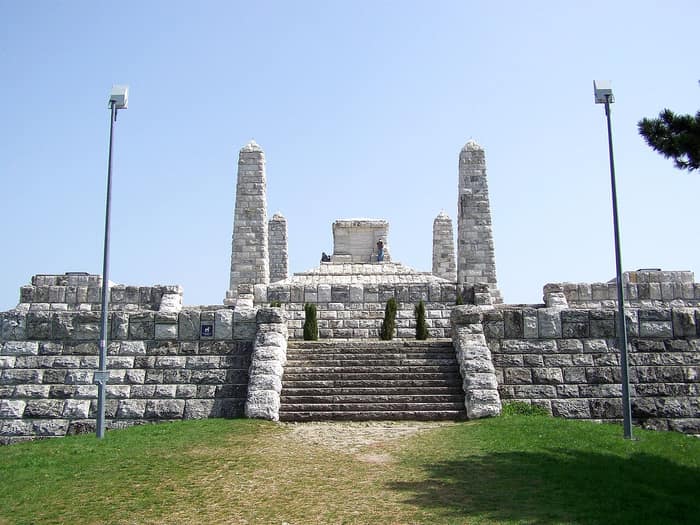
Mausoleum of Milan Rastislav Štefánik
Bradlo · Jurkovič's white travertine tomb with four obelisks
31 km away
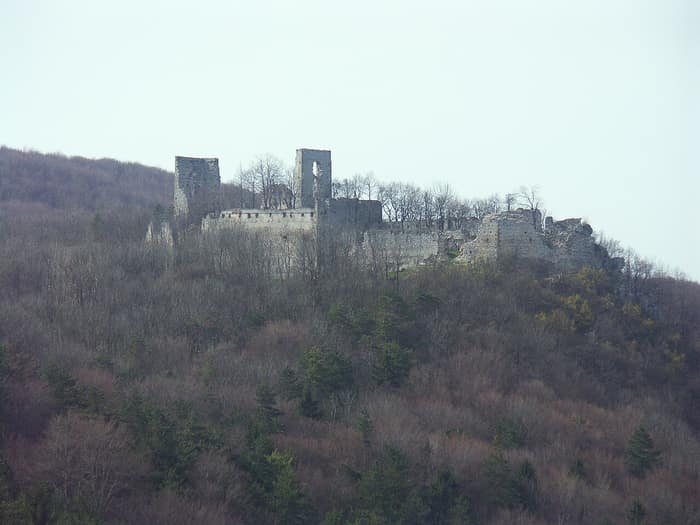
Dobrá Voda Castle
Dobrá Voda · Gothic ruin named after its springs
35 km away